

Last winter, a family in Shanghai measured their indoor PM 2.5 level at 98 micrograms per cubic meter while the outdoor reading was 156. After running a HEPA-based air purifier for two hours, the indoor concentration dropped to 21. That kind of improvement is not a marketing claim. It is a measurable result that depends on one critical decision: choosing the right air filter for PM 2.5. This guide explains what PM 2.5 is, how filters capture it, and which specifications actually matter when you buy a purifier.
Content
PM 2.5 stands for particulate matter with a diameter of 2.5 micrometers or smaller. To put that in perspective, a human hair is about 70 micrometers wide, so a PM 2.5 particle is roughly one thirtieth of that width. The category includes dust, soot, smoke, pollen fragments, and liquid droplets. Because these particles are so small, they stay suspended in the air for hours and can travel deep into the respiratory system.
| Particle type | Diameter range (micrometers) |
|---|---|
| PM 10 (dust and pollen) | 2.5 to 10 |
| PM 2.5 (combustion and smoke) | 0.1 to 2.5 |
| Bacteria | 0.3 to 10 |
| Viruses | 0.01 to 0.3 |
The size range explains why PM 2.5 is a concern for indoor air quality. Larger particles settle on surfaces quickly and can be removed by wiping or sweeping. Fine particles remain airborne and follow air currents around the room. They also penetrate building envelopes more easily. That is why outdoor pollution is a major contributor to indoor PM 2.5 levels. A filter that targets this size range must use densely packed fibers rather than simple mesh screening.
PM 2.5 particles are small enough to bypass the nose and throat defenses that catch larger pollutants. Once inhaled, they can irritate the airways, trigger asthma symptoms, and worsen cardiovascular conditions. Short term exposure can cause coughing, throat irritation, and eye discomfort. Long term exposure is linked to chronic respiratory disease and reduced lung function. Sensitive groups such as children, older adults, and people with existing heart or lung conditions face the highest risk.
The chart above shows typical source contributions to indoor PM 2.5 levels based on residential monitoring studies. Outdoor traffic emissions are the largest single contributor because fine particles travel easily through windows and ventilation systems. Cooking fumes, especially from frying and grilling, are the second most important source and one that households can control directly. Tobacco smoke adds a significant share, which is why smoking indoors is strongly discouraged. Understanding these proportions helps you decide where to focus your air quality efforts. An air purifier addresses all of these sources, but reducing the largest ones will make the filter workload much lighter.
Not all air filters are equally effective on PM 2.5. Standard fiberglass filters capture larger particles but let fine particles pass through. A true HEPA filter removes at least 99.97 percent of particles at 0.3 micrometers, which is the most penetrating particle size. Because PM 2.5 spans 0.1 to 2.5 micrometers, a HEPA layer captures almost the entire range. Many purifiers combine HEPA with activated carbon to absorb gases and odors, but the HEPA layer remains the core defense against particulate pollution. For a detailed comparison of purifier features, see our guide to choosing a home air purifier.
The line chart traces a typical indoor PM 2.5 decay curve after turning on a HEPA purifier in a 20 square meter bedroom. The first 30 minutes produce the fastest drop because the filter captures the largest fraction of fine particles in the airstream. As the concentration decreases, the remaining particles are harder to collect because they move into low airflow areas of the room. The curve flattens after two hours, which indicates that the purifier has reached a steady state with natural air exchange. A well sealed room will show a lower plateau, while open windows will keep the level closer to outdoor readings. This is why continuous operation matters more than running a purifier for short bursts.
When choosing an air filter for PM 2.5, four specifications matter most: filtration efficiency, clean air delivery rate (CADR), room coverage, and filter maintenance cost. Filtration efficiency tells you how well the media captures fine particles. CADR tells you how quickly the unit can clean a given room. Room coverage helps you match the purifier to the space where you will use it. Filter maintenance cost determines the long term budget of owning the unit.
This column chart compares how different filter grades perform against PM 2.5 particles. Standard fiberglass filters, often found in basic HVAC systems, capture only a small fraction of fine particles because their fibers are too widely spaced. Pleated filters with a MERV 8 rating capture around 30 percent, which helps but still leaves most PM 2.5 circulating. MERV 13 filters perform much better and are considered the minimum grade for residential systems. True HEPA filters, rated at 99.97 percent efficiency at 0.3 micrometers, remain the gold standard for standalone air purifiers. When you see an air purifier described as HEPA grade or HEPA-like, check the fine print because those terms are not equivalent to true HEPA.
| Specification | What it means | Recommended value |
|---|---|---|
| HEPA efficiency | Share of 0.3 micrometer particles captured | 99.97 percent or higher |
| CADR for smoke | Cleaning speed for fine smoke particles | At least two thirds of room area in square feet |
| Filter life | Time between filter replacements | 6 to 12 months |
| Noise level | Sound pressure at maximum speed | Below 55 decibels |
The CADR number is especially important for PM 2.5 control. A purifier with a higher CADR cleans the same room faster. For a 20 square meter bedroom, look for a smoke CADR of at least 150 cubic feet per minute. If you place the purifier in an open living area, that requirement increases to 250 or more. Matching the device to the room size prevents the common mistake of buying an undersized unit that never keeps up with the pollution load. Manufacturers such as Cixi Xiatian Electrical Appliances provide these specifications for every air purifier model they produce, which makes the selection process more transparent.
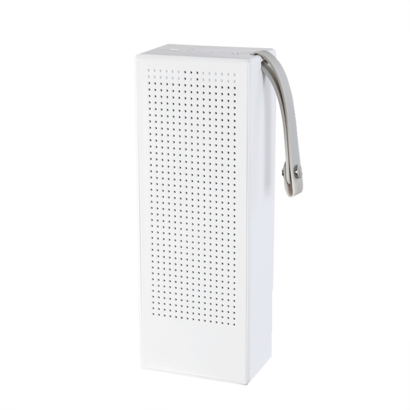
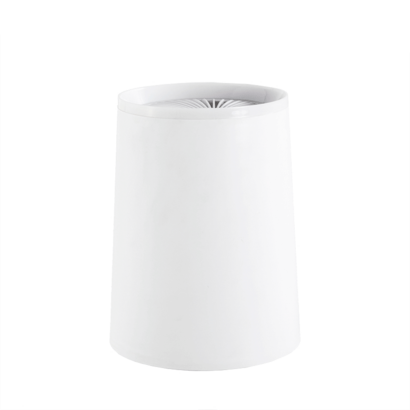
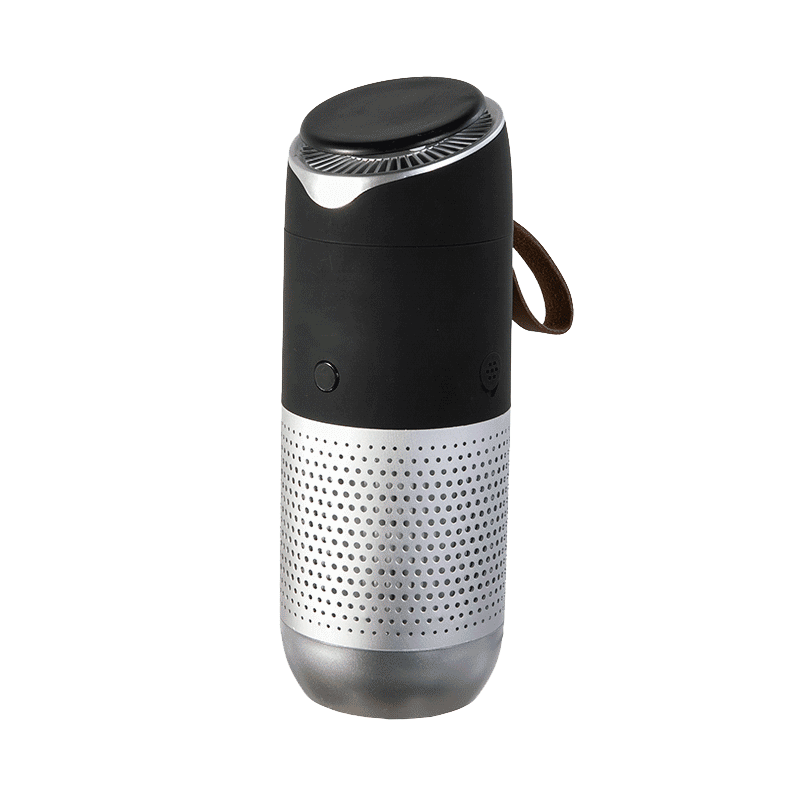 Smart Car Air Purifier by Cixi Xiatian Electrical AppliancesThis compact purifier comes from a certified manufacturer with high daily output and export experience. It suits the article's discussion on matching CADR to small spaces like a bedroom.View Product →
Once you understand the specifications, the next step is deciding between different purifier designs. Compact portable units are easy to move and even carry to another room. Full size units deliver stronger airflow and cover larger areas, but they take up floor space and use more electricity. The radar chart below compares these two approaches across five practical criteria.
The radar chart compares two air purifier designs on five practical criteria. A compact portable model scores high on portability and energy efficiency, but its coverage area is limited to small rooms. A full size purifier delivers stronger filtration and much larger room coverage, at the cost of higher power consumption and more noise. Neither shape is universally better; the right choice depends on whether you need one unit for a bedroom or a single unit for an open living area. People who move frequently or travel often may prefer the portable option despite its smaller coverage. Households with a fixed layout should consider the full size model for long term performance. A rechargeable portable model can also serve as a travel companion, which is useful for people who spend long hours in hotel rooms or offices with unknown air quality.
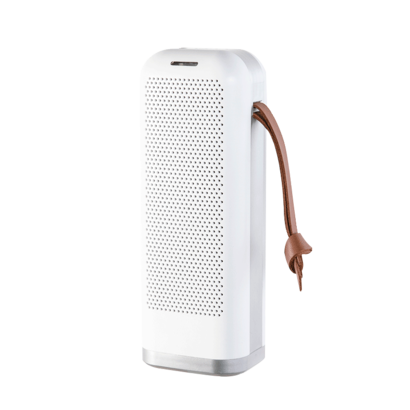
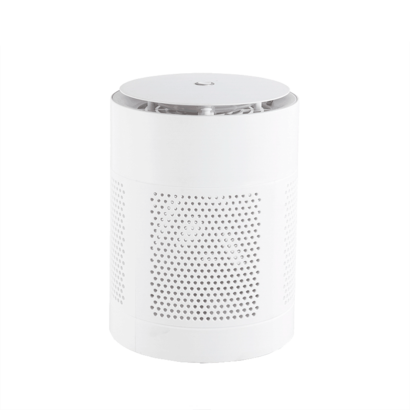
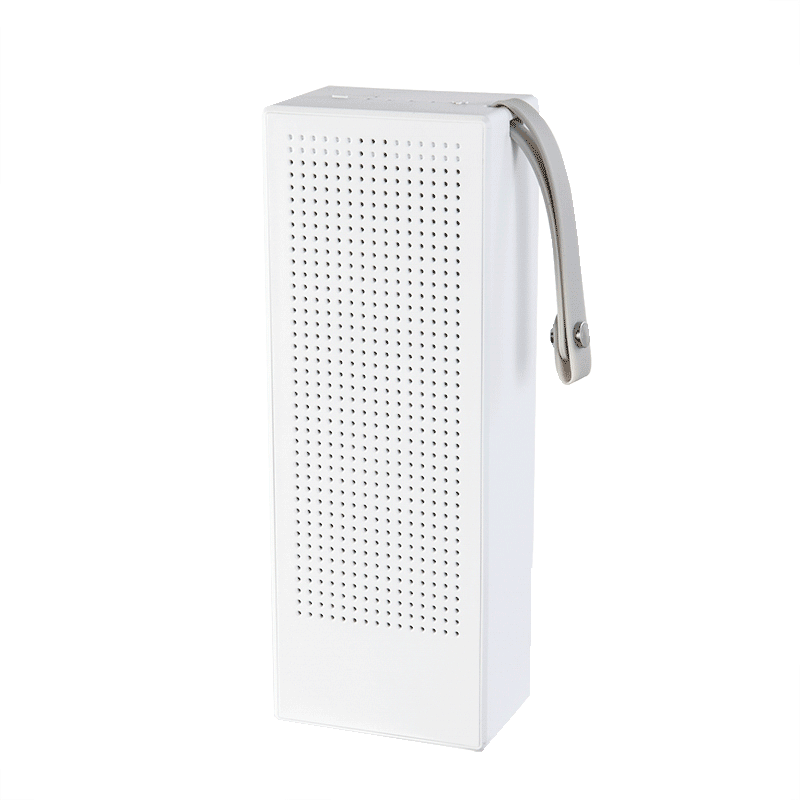 Portable Rechargeable Air Purifier RAP-02 with HEPA FilterThis three-speed portable model includes an H12 HEPA and carbon filter, with optional infrared sensor. It fits the context of travelers seeking rechargeable units for small areas.View Product →
An air filter only helps when it runs regularly and is maintained properly. Here is a practical sequence that keeps indoor PM 2.5 low without wasting energy:
These steps matter because filter performance degrades gradually with use. A clogged filter not only captures fewer particles but also restricts airflow, which forces the fan to work harder. Pay attention to the air quality sensor readings if your unit has one, and check the filter indicator regularly. The manufacturer FAQ section covers common questions about filter replacement and troubleshooting.
For smaller rooms and personal spaces, a compact purifier with a washable prefilter and a simple control panel is often the most convenient option. These units are easier to place on a desk or nightstand, and their power consumption is low enough for continuous operation. The same principle applies to larger homes: one adequately sized purifier in the main living area usually delivers more value than several undersized units scattered around the house.
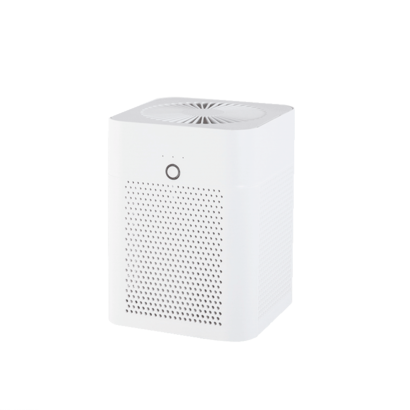
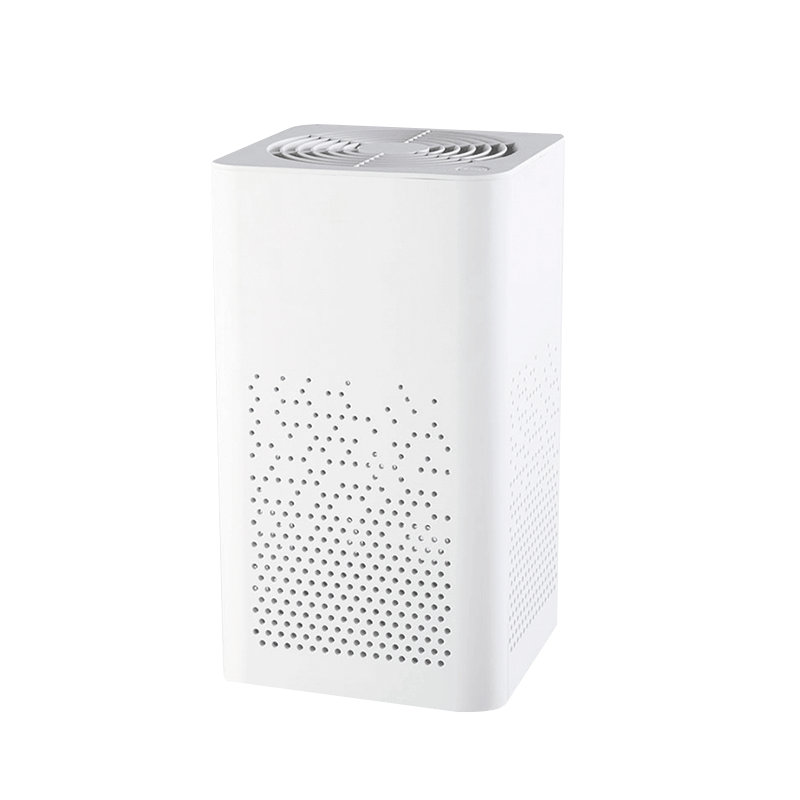 Home Air Purifier MAP-01 with HEPA and Carbon FiltersThis unit offers particulate CADR and CCM, three fan speeds, and H12 HEPA plus carbon filtration. It matches the article's advice on compact purifiers for bedrooms and personal spaces.View Product →
Reducing PM 2.5 in your home is not complicated, but it requires the right filter and the right habits. True HEPA filtration, a CADR that matches your room size, continuous operation, and regular filter changes are the four pillars of effective PM 2.5 control. Start by measuring your indoor levels with a low cost particle sensor, then choose a purifier that fits the room and your daily routine. The payoff is measurable: cleaner air, fewer symptoms, and greater peace of mind.
Remember that no air purifier can replace good ventilation and source control. Cooking with an exhaust fan, avoiding smoking indoors, and vacuuming with a HEPA equipped vacuum cleaner all reduce the particle load that your air filter has to handle. When you combine these habits with a properly selected and maintained air purifier, the indoor PM 2.5 concentration can consistently stay below the World Health Organization guideline of 15 micrograms per cubic meter for 24 hour averages. That is a target worth aiming for, and the right air filter makes it achievable.

@2020. CIXI XIATIAN ELECTRICAL APPLIANCES CO.,LTD. All rights reserved. Wholesale High-End Electric Fans Manufacturers

 English
 한국어
한국어