

If you are buying an air purifier to handle smoke, cooking odors, pet smells, or new-furniture fumes, the activated carbon filter is the part that matters most. A HEPA filter traps dust, pollen, and other particles, but it lets gas molecules pass straight through. Activated carbon adsorbs those molecules onto its vast internal surface. The practical conclusion is simple: check the carbon weight and type before you check the fan speed or the app features.
This guide explains how activated carbon works, what separates a serious filter from a token layer, and which specifications actually predict performance in a real room.
Content
HEPA filters are rated for particles down to 0.3 microns. Odor molecules, formaldehyde, benzene, and many volatile organic compounds (VOCs) are far smaller, often measured in angstroms. Mechanical filtration cannot catch them. Activated carbon works by adsorption: gas molecules stick to the carbon's porous surface. One gram of activated carbon can have a surface area of 500 to 1,500 square meters, which is why even a modest amount can make a noticeable difference in odor removal.
However, not all carbon filters are equal. A thin non-woven pad coated with carbon dust may weigh only a few grams and will exhaust quickly. A deep bed of granular or extruded carbon can weigh several kilograms and last for months. If you are dealing with formaldehyde after a renovation, you can read more about detection and purification in this article on how to quickly detect formaldehyde and whether an air purifier is useful.
Manufacturers use different carbon formats to balance cost, airflow, and gas removal. The table below summarizes the trade-offs you will see in product specifications.
| Filter Type | Structure | Advantages | Limitations |
|---|---|---|---|
| Granular activated carbon (GAC) | Loose or packed carbon pellets between two screens | High carbon weight per unit volume; excellent for odors and VOCs | Can settle over time; airflow may create channels that reduce contact |
| Extruded or honeycomb carbon | Carbon mixed with a binder and formed into a rigid block | Low pressure drop; stable shape; good for thin filters | Lower carbon density; often less total carbon weight |
| Impregnated carbon | Carbon treated with potassium permanganate or other chemicals | Targets formaldehyde, ammonia, and other specific gases | Specialized media may be more expensive and can have a shorter life |
For general household odors, a packed bed of granular carbon is usually the most practical choice. For formaldehyde or industrial chemicals, look for impregnated carbon or a dedicated gas filter with a known formulation.
Three factors decide how well an activated carbon filter works in your home: the amount of carbon, the time air spends in contact with it, and whether the air can bypass the filter.
Weight is the easiest specification to compare. A filter with 2 kg of carbon has far more adsorption capacity than one with 200 g. Some brands list carbon weight in pounds or grams; if they do not list it at all, assume the filter contains a thin layer. Replacement cost also matters: a heavy carbon filter may cost more upfront but can last longer than a cheap filter that needs replacing every few weeks.
Air must move slowly enough through the carbon bed for molecules to stick. A powerful fan paired with a very thin carbon filter pushes air through too quickly. A better design uses a larger filter area or a deeper bed so that the same airflow still gives enough contact time. This is why two purifiers with the same CADR for smoke may perform very differently on cooking odors.
If air can leak around the carbon filter, that air receives no gas treatment. Look for gaskets, foam seals, or a tight cartridge design. In low-cost purifiers, the carbon filter often sits loosely in a plastic frame, and a significant portion of the airflow bypasses it. A good seal is invisible in marketing photos but obvious in performance tests.
Use this checklist when you review a product page or a sample. It will help you separate a genuine gas-removal filter from a decorative layer.
One common mistake is treating all activated carbon filters as the same. A purifier that works well for pollen may do almost nothing for cigarette smoke if its carbon filter is thin. Another mistake is buying a purifier that is too small for the room. A large carbon filter in a small room will clean the air faster and last longer because it does not have to work as hard.
Consider these scenarios. In a newly renovated bedroom, formaldehyde off-gassing can last for months. You need an air purifier with impregnated carbon or a high-weight granular carbon filter, and you should run it continuously on a medium speed. In a home with two cats, a granular carbon filter with at least 1 kg of carbon will handle litter box odors better than a honeycomb filter with 150 g. In a kitchen, a purifier placed near the cooking area can capture grease and odors, but the carbon filter will load quickly, so choose one with a low replacement cost.
Cixi Xiatian Electrical Appliances has been manufacturing air purifiers and air treatment products since 2011. The company operates a 30,000 square meter workshop in Ningbo, Zhejiang, and produces air purifiers, air washers, dehumidifiers, and other small appliances for markets in Europe, the Americas, Korea, Japan, and the Middle East. Its engineering team includes 60 senior technical staff, and the factory has in-house injection molding, stamping, and tooling systems. This vertical integration helps control cost and allows custom development based on customer drawings or samples.
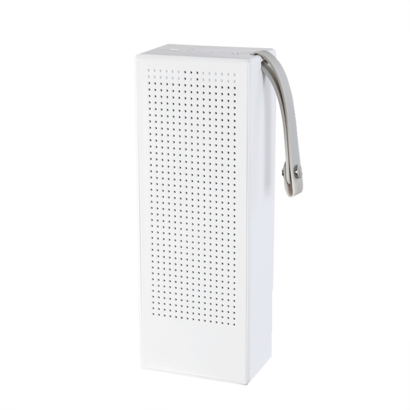
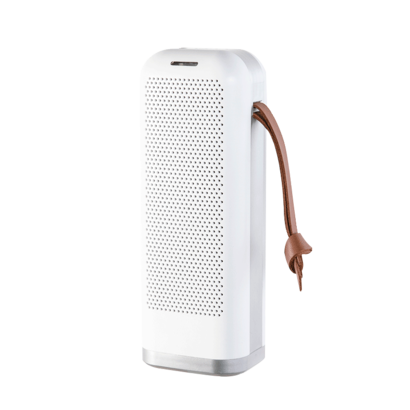
For activated carbon filters, the company's air purifier lines cover portable, rechargeable, and mini models. Several models are designed with a filter cartridge that can include granular activated carbon, and the factory can adjust carbon weight and media type for different regional requirements. The AP series and RAP series are examples of air purifiers that combine a HEPA stage with an activated carbon stage.
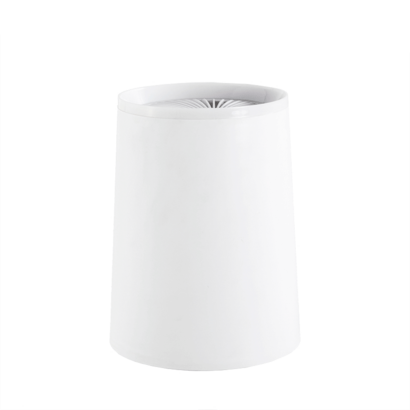
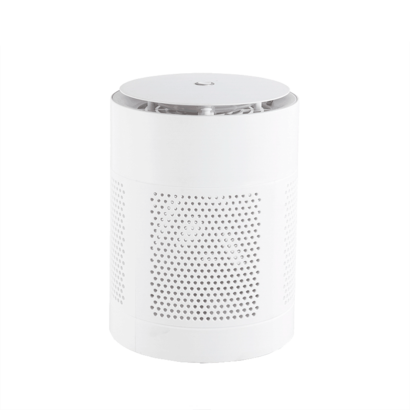
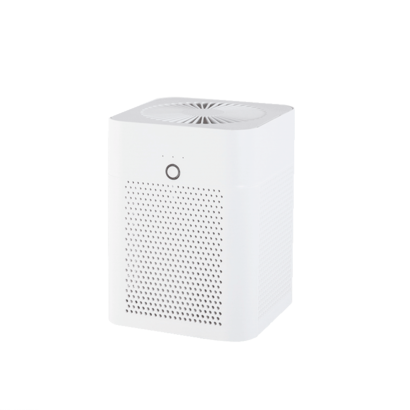
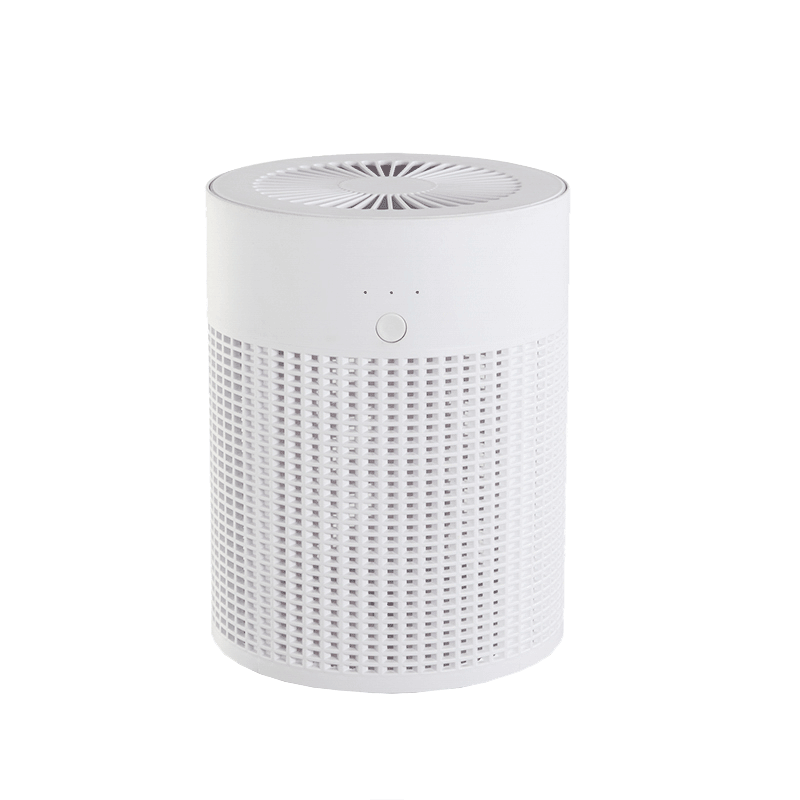 Portable Mini Air Purifier AP-01A for Small SpacesCompact H12 HEPA air purifier with 5W power, three speeds, and 40 sq.ft coverage for bedroom or office.View Product →
If you need a compact purifier for a bedroom or office, the AP-01 is a practical starting point. For larger rooms or higher gas loads, the AP-03 offers more filter media and airflow. The RAP-02 is a rechargeable model for flexible placement where a power outlet is not convenient.
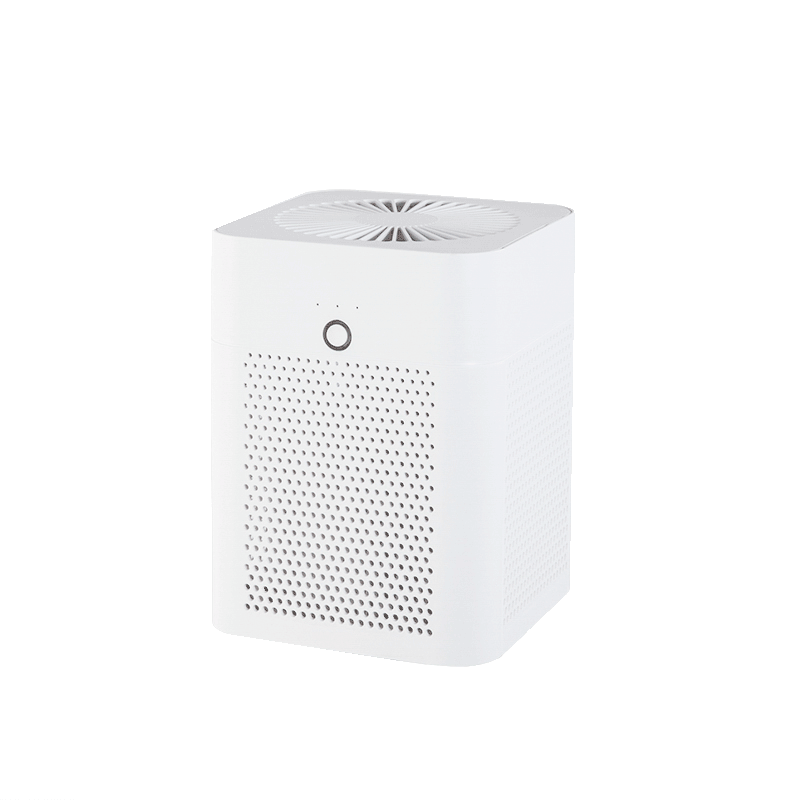 Household Air Purifier with H12 HEPA Filter and CertificatesCompact household air purifier with 5W power, 25 CFM CADR, three speeds, H12 HEPA filtration, and 40 sq.ft coverage.View Product →
 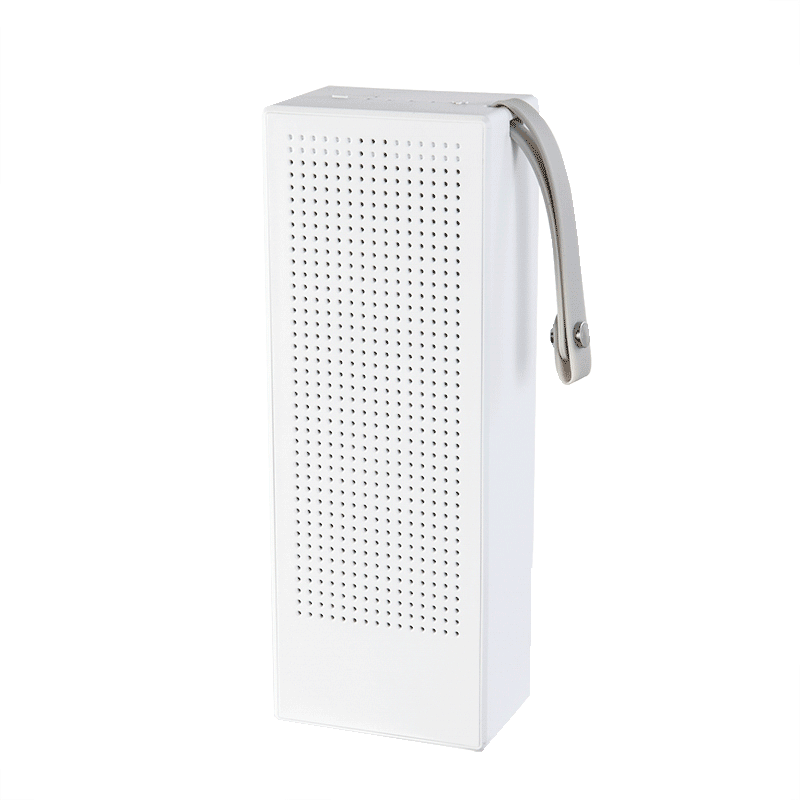 Portable Rechargeable Air Purifier RAP-02 with HEPA and Carbon FilterRechargeable purifier with 3.5W power, 4400mAh battery, three speeds, HEPA plus carbon filtration, and 8–10m² recommended coverage for small rooms.View Product →
Because these products are manufactured in-house, buyers can request specific carbon weights, filter seals, and housing designs. The goal is to match the carbon filter to the actual pollutant profile rather than adding a token layer that satisfies a specification sheet.
When you shop for an air purifier with an activated carbon filter, focus on carbon weight, carbon type, and airflow design. Do not rely on the phrase "activated carbon filter" alone. Ask for the weight in grams or pounds, check whether the filter is sealed, and compare the yearly replacement cost. A purifier with a substantial carbon bed will cost more than a basic particle-only unit, but it is the only type that will reliably reduce odors, fumes, and VOCs in your home.
If you are a brand owner or distributor looking for an OEM or ODM partner, you can review the full air purifier range on our air purifier category page or contact the factory directly with your target carbon weight and room size. Matching the filter to the application is the most effective way to avoid returns and unhappy customers.

@2020. CIXI XIATIAN ELECTRICAL APPLIANCES CO.,LTD. All rights reserved. Wholesale High-End Electric Fans Manufacturers

 English
 한국어
한국어