

With the sudden drop in winter temperatures, finding a safe and efficient heating method becomes a top priority for every family. Among the many heating devices available, ceramic heaters (PTC ceramic heating element heaters) are highly favored due to their rapid heating and compact size.
Content
Ceramic heaters use PTC (Positive Temperature Coefficient) ceramic heating elements. Unlike traditional electric heating wire heaters, they generate heat by passing an electric current through a ceramic block, and then a built-in fan blows the hot air out, thus raising the room temperature. This unique heating method gives it extremely high safety and heat conversion efficiency.
Speed is crucial for indoor heating. Ceramic heaters have excellent thermal conductivity, and you can usually feel a noticeable warmth within tens of seconds of turning them on. They are an ideal rapid heating solution for localized spaces such as studies, bathrooms, or small bedrooms.
Safety is the primary standard for indoor electrical appliances. Ceramic heaters have a "self-limiting temperature" characteristic. When the heating element reaches a certain temperature, its resistance increases rapidly, automatically limiting the current and reducing the risk of overheating and fire. In addition, most commercially available products are equipped with automatic power-off upon tipping and overheat protection.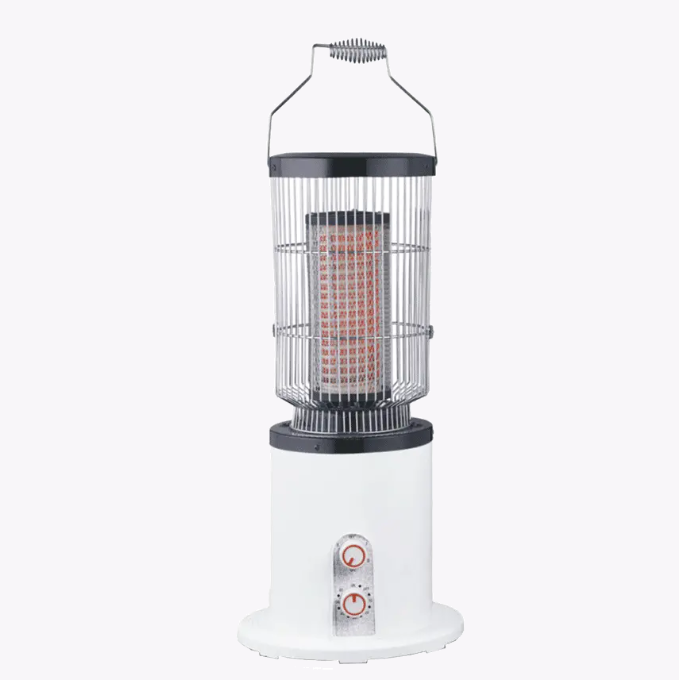
Compared to bulky oil-filled radiators, ceramic heaters are typically designed to be very compact. Whether placed under a desk to warm feet or used next to a sofa in the living room, they are easily moved and take up little space.
Because the ceramic heating element does not produce red light or open flame, it does not produce odors like some infrared heaters that burn indoor oxygen or scorch dust in the air.
While ceramic heaters are ideal for indoor use, they are not without their drawbacks:
Dry Air: Due to the use of fan convection heating, long-term use can accelerate indoor moisture evaporation; it is recommended to use them in conjunction with a humidifier.
Fan Noise: The built-in fan produces a certain amount of noise when running. For sleep environments where noise is extremely sensitive, choose a model with a "silent mode."
Limited Applicable Area: Ceramic heaters are more suited for "localized heating" or small rooms. For large living rooms, their coverage may be insufficient.
Power Selection: It is recommended to choose a product with multiple power settings. Generally, 1500W to 2000W is sufficient for most indoor scenarios, allowing for flexible switching according to temperature.
Safety Certification: Ensure the product has passed 3C national safety certification. Automatic power-off and overheat protection are core safety features for indoor use.
Intelligent Temperature Control: Prioritize models with a constant temperature function. When the room temperature reaches the set value, it will automatically reduce power or enter sleep mode, maintaining comfort and effectively saving electricity.
Additional features: To enhance the user experience, consider models with wide-angle oscillation, timer shutdown, and remote control functions for more convenient and worry-free operation.
Returning to the initial question: Are ceramic heaters suitable for indoor use? The answer is yes. With their efficient heat conversion, excellent safety performance, and portability, ceramic heaters have become one of the mainstream choices for indoor heating in modern homes.

@2020. CIXI XIATIAN ELECTRICAL APPLIANCES CO.,LTD. All rights reserved. Wholesale High-End Electric Fans Manufacturers

 English
 한국어
한국어