

Someone sears a steak in a small kitchen and twenty minutes later the smell has reached the bedroom wardrobe. A HEPA-only purifier running at full speed barely dents it, because the part you notice is gas, not dust. That is the moment a carbon filter starts to matter, and it is also the moment most buyers realize that carbon quality is almost never printed on the box.
The short version: a carbon filter for smoke works when the carbon bed is heavy enough, the air spends enough time inside it, the filter frame seals properly, and the carbon is replaced before it saturates. Nearly every disappointing result traces back to one of those four points rather than to the badge on the front panel.
Content
Smoke arrives in two phases. The visible phase is particulate, mostly soot and tar droplets between 0.1 and 1 micron, and an H13 HEPA layer removes around 99.95 percent of that. The phase you keep smelling is gas: acrolein, formaldehyde, benzene, ammonia, hydrogen sulfide and hundreds of other volatile organic compounds. HEPA media cannot stop these, because the molecules are far smaller than the gaps between fibers and do not follow the interception and impaction rules that capture particles.
Activated carbon works by a different route. Its structure is full of micropores, and gas molecules stick to those internal surfaces through weak physical attraction. A single gram of good carbon can carry more than 900 square meters of internal surface area. The catch is that every molecule that sticks occupies a site, so capacity is finite and proportional to mass. A pad with 40 grams of carbon cloth holds roughly one percent of the capacity of a bed with 4 kilograms of pelleted carbon. Two purifiers with identical HEPA ratings can therefore behave nothing alike in a room where someone smokes.
Ask how much carbon sits inside a filter and the answer is often a vague reference to a coconut shell or a number converted from ounces nobody verified. This is the most useful figure for smoke work, and it should be requested in grams, together with the physical form of the carbon.
| Carbon format | Typical mass | Good for | Limitation |
|---|---|---|---|
| Carbon cloth or thin mesh pad | 20 to 80 grams | Light dust, short odor bursts | Saturates within weeks under daily smoke |
| Granular carbon in a shallow tray | 200 to 500 grams | Bedrooms, mild cooking odor | Air can channel through gaps, poor sealing |
| Pelleted carbon or honeycomb block | 1 to 4 kilograms | Smoking rooms, wildfire weeks, continuous use | Heavier unit, higher cost, needs a stronger fan |
| Refillable canister with loose carbon | 3 kilograms and above | Heavy smoke, hospitality spaces | Manual refilling, dust handling, careful resealing |
Two specifications sit behind that mass. The first is the iodine number, a standard indicator of micropore surface area; values near 1000 mg per gram point to a grade suited to small gas molecules such as those in smoke, while low values suggest a budget grade. The second is impregnation. Plain carbon adsorbs organic vapors well but holds ammonia poorly, so filters aimed at tobacco or wildfire smoke often carry a light treatment of potassium permanganate or an acid that converts alkaline gases into compounds the carbon can retain. Ask which grade is being offered, because the answer changes both service life and price.
Residence time matters as much as mass. Carbon needs contact. A fan pushing 400 cubic meters per hour through a 2 centimeter pad gives molecules almost no time to stick, while a thicker bed with lower face velocity captures far more per pass. This is one of the few situations where a quieter, slower setting can clean better than maximum speed.
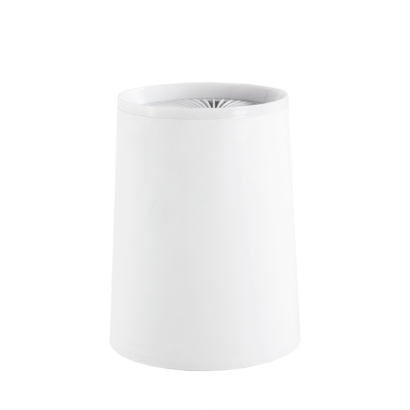
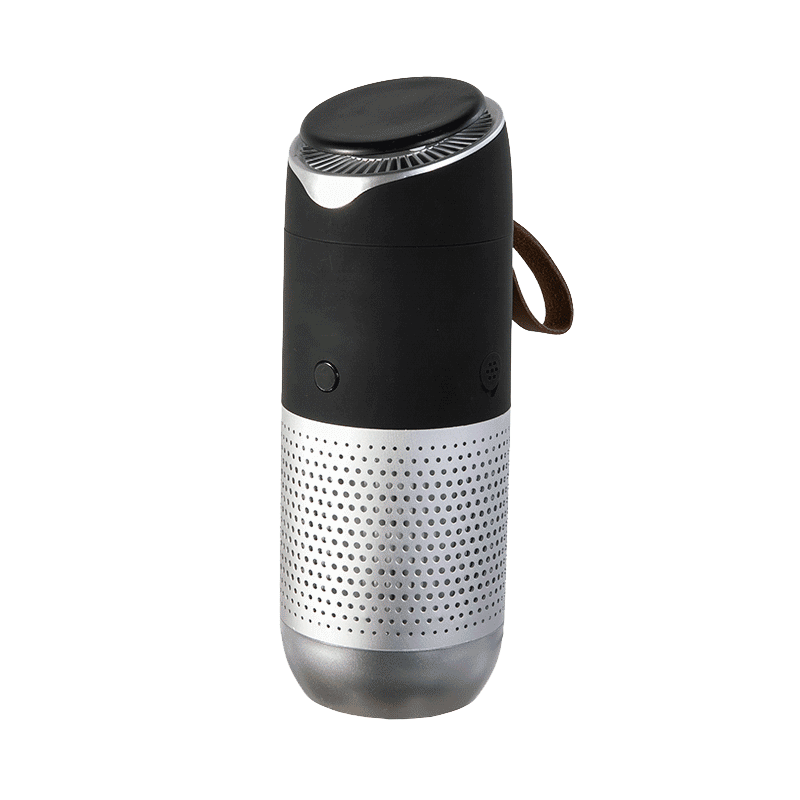 Smart Car Air Purifier for Small SpacesCompact OEM car and small-space purifier with H12 HEPA, three speeds, and 2.5 W operation; relevant when comparing small-area units and filter configurations.View Product →
On our AP-series air purifiers, the carbon stage is specified per project, so a distributor serving markets where tobacco smoke is the main complaint can request a heavier carbon load and a deeper filter cavity instead of accepting a single global configuration.
Clean air delivery rate is quoted separately for smoke, dust and pollen. Use the smoke figure, then apply a simple check: room volume multiplied by the air changes you want per hour. A room with occasional smoke needs 4 to 5 air changes per hour to keep odor from settling into fabric. A room where someone smokes daily needs 8 or more. A 30 cubic meter bedroom at 5 air changes per hour requires about 150 cubic meters per hour of clean air, which is a mid-size unit on a medium setting rather than a mini purifier screaming at maximum.
Two adjustments are easy to forget. Published figures come from top speed, which is often too loud to live with, so check noise at the speed you will actually run and derate accordingly. And soft furnishings act as sinks: curtains, carpets and upholstery absorb smoke gases while the room is full and release them for days. That is why a purifier can seem effective during the smoke event and useless an hour after the cigarette is out.
One general caution applies to every case. Avoid units that deliberately generate ozone to mask odor, since ozone is itself a respiratory irritant and adds to the gas load rather than removing it.
Position the purifier between the smoke and the people who breathe it, on the floor or on a low table where rising warm air will feed the intake. Keep at least 30 centimeters of clear space around the grille, and never tuck the unit behind a sofa or curtain. Run it on high for the first 20 minutes of a smoke event, then drop to a quieter speed for the following two hours, because the fabrics keep releasing gas long after the source has gone.
Filtration works better with a little help from ventilation. A kitchen or bathroom extractor fan running at the same time creates slight negative pressure that pushes smoke out of the living zone instead of letting it drift through the flat. In a room used only for smoking, an exhaust fan plus a carbon purifier is a stronger combination than either alone.
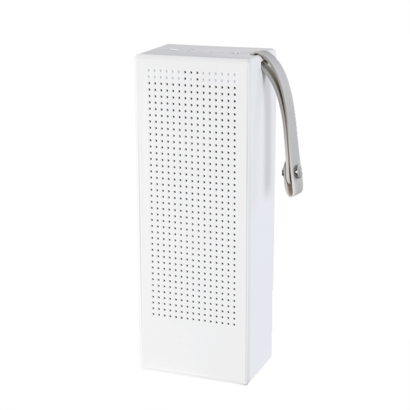
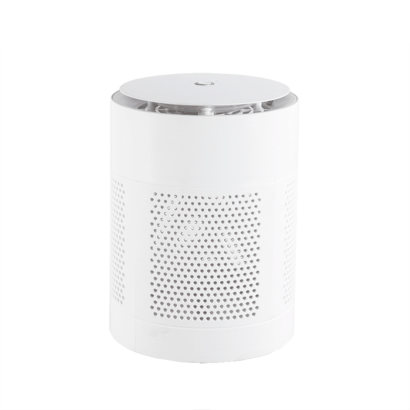
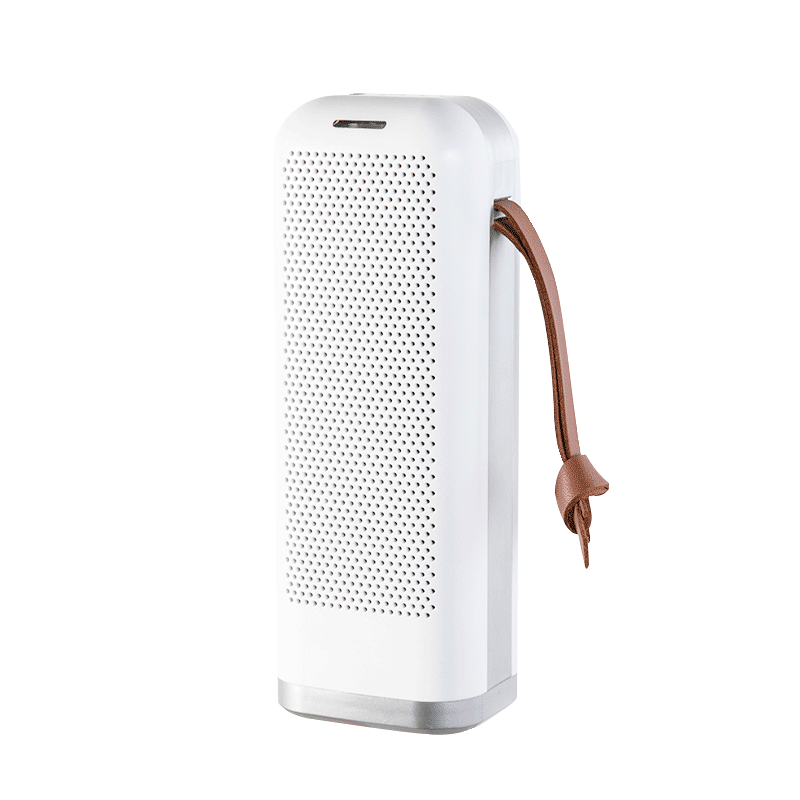 Portable Rechargeable Air Purifier RAP-01Battery-powered purifier with H12 HEPA plus carbon, three speeds, and 50 m³/h CADR for small rooms and smoking corners.View Product →
Portable rechargeable units such as the RAP-01 suit small smoking corners, converted balconies and home offices where routing a cable is awkward, and they can be moved to the source instead of waiting for smoke to reach a fixed machine.
For heavy, continuous smoke, exhaust air is cheaper than cleaning it. A purifier recirculates room air and slowly reduces concentration, while an extractor removes the contaminated air at the source and replaces it with fresh air. Carbon also does nothing about carbon monoxide, so any situation involving a smoldering fire, a blocked flue or a faulty stove needs ventilation and repair before filtration is discussed. And where health protection from secondhand smoke is the goal, filtration lowers exposure but does not eliminate it; the only complete answer is not smoking indoors.
Carbon gives clear warnings before it fails completely. Odor returns within minutes of switching the unit on, the pre-filter shows a grey film, airflow at the grille feels weaker than it did, or the housing starts to smell when the fan stops. Under daily smoking, expect three to six months from a mid-weight carbon stage; with occasional use, twelve months or more is normal. Compare the annual filter bill against the purchase price, because a cheap unit with 40 grams of carbon replaced every month often costs more over three years than a heavier machine with a larger bed.
For brand owners and importers, carbon performance is a design decision rather than a shopping decision. Useful levers include the depth of the filter cavity, the carbon grade and impregnation, the gasket and clip design that prevent bypass, and the fan curve that sets contact time. A short validation run on a smoky sample room, measured before and after with a gas sensor rather than a nose, settles arguments faster than a specification sheet. You can review the wider air purifier range to see how platforms differ in filter architecture before committing to a tooling plan.
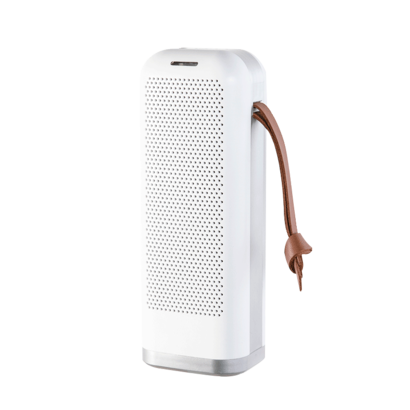
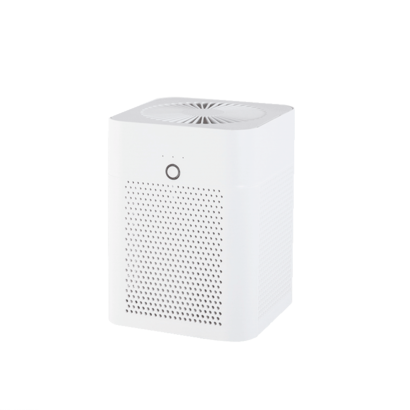
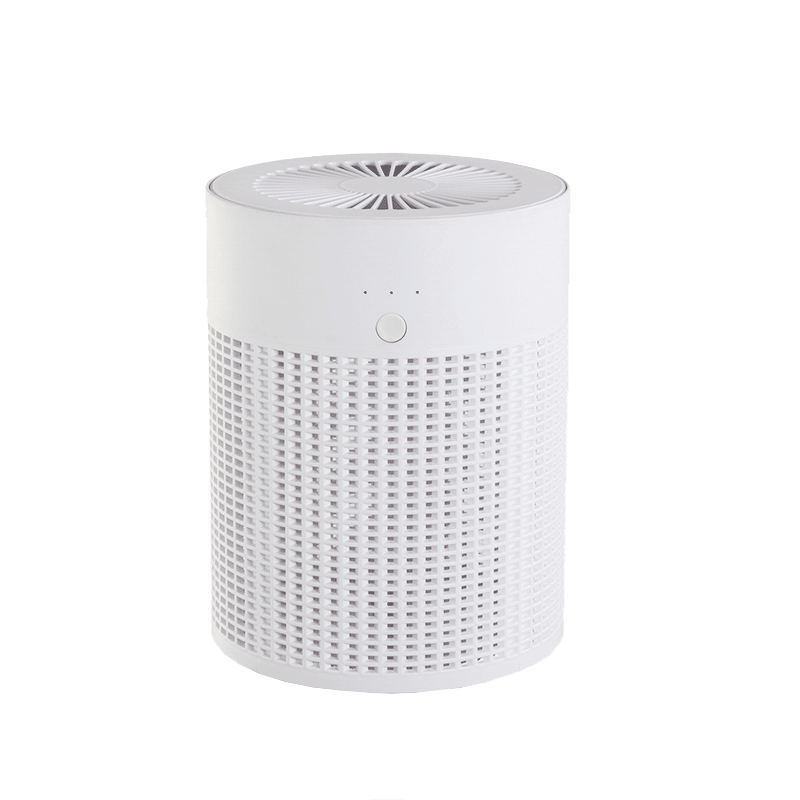 Portable Mini Air Purifier AP-01ACompact OEM mini purifier with H12 HEPA and three speeds, suited to small-space projects where filtration architecture and tooling plans are under review.View Product →
Our team builds air purifiers in Cixi with configurable filtration stages, in-house tooling and a test laboratory, and we are happy to review a specification for carbon mass, airflow and filter replacement strategy before a sample is cut. Send us your requirements and we will tell you honestly whether a given carbon load will hold up in the smoke conditions your market actually faces.
A carbon filter for smoke is not a magic insert. It is a measured mass of adsorbent, given enough contact time, sealed into a housing that does not leak, and replaced on schedule. Get those four things right and the smell of yesterday evening stops following you into the bedroom.

@2020. CIXI XIATIAN ELECTRICAL APPLIANCES CO.,LTD. All rights reserved. Wholesale High-End Electric Fans Manufacturers

 English
 한국어