

Ask a simple question before buying an air cleaner: will this machine make the air in my room measurably cleaner? The honest answer is yes, but only when the cleaner is matched to the room and run long enough. A sealed HEPA air cleaner can lower airborne dust, pollen, pet dander, mold spores, and smoke particles in a closed room. It cannot turn a damp, poorly ventilated apartment into fresh air, and it cannot remove carbon dioxide or replace an open window. Treat it as one part of an indoor air plan, not a substitute for fixing the source.
Content
Air cleaner performance is a chain, and the weakest link sets the result. The chain includes capture efficiency, airflow, filter fit, runtime, room size, and the amount of pollution being produced. A unit with a true HEPA filter and a strong fan can capture 99.97 percent of particles at 0.3 microns in controlled tests, but a loose filter gasket, a dirty prefilter, or a low fan setting can cut real world performance. In a bedroom with the door closed, continuous operation on medium speed often cleans better than a short burst on maximum.
| What you want to reduce | Can an air cleaner help | Key condition |
|---|---|---|
| Dust, pollen, pet dander | Yes, with HEPA media and good airflow | Run long enough and keep the prefilter clean |
| Smoke particles | Yes, for particles; odors need carbon | Size for higher CADR and replace carbon when needed |
| Cooking odors and VOCs | Partly, with enough carbon media | Carbon weight and replacement interval matter |
| Bacteria and viruses | Some capture, but not a guarantee | Source control and ventilation still matter |
| Carbon dioxide | No | Ventilation or fresh air is required |
| Mold growth | No | Fix moisture; a cleaner may reduce airborne spores |
Particles are the clear win. HEPA media traps dust, pollen, pet dander, mold spores, and the solid part of smoke. This matters most for allergy symptoms and for reducing visible dust between cleanings. The benefit grows when the source is controlled: vacuum with a sealed system, wash bedding in hot water, keep windows closed during high pollen, and stop indoor smoking.
Gases and odors are a different job. Formaldehyde, cooking fumes, and volatile organic compounds need activated carbon or similar gas phase media, and the amount of carbon matters. Many slim purifiers include a thin carbon sheet that handles light odors for a short time but becomes saturated. If odors are your main concern, check carbon weight, replacement interval, and whether the manufacturer publishes gas removal data.
Microbes are a partial story. A HEPA filter can capture bacteria and virus carrying particles, and some units add UV or ionizers. The filter does the heavy lifting. Add on technologies are optional and need safety review. Ozone generators are not a good choice for occupied rooms because ozone irritates the lungs. No air cleaner has been shown to prevent all infections, and ventilation, masking, and isolation remain stronger controls.
What it cannot do is just as important. It cannot remove carbon dioxide, raise oxygen, dry out a wet wall, or fix a leak. It cannot clean a whole house from one small unit. If you see condensation, mold growth, or a persistent musty smell, find the moisture source first. An air cleaner may reduce airborne spores, but it will not stop mold from growing.
Room size claims are where many buyers get into trouble. A cleaner that is perfect for a 120 square foot bedroom may be ineffective in an open plan living area. Look for CADR, the clean air delivery rate, and compare the smoke, dust, and pollen numbers. As a practical check, a CADR of about 200 cubic feet per minute gives roughly five air changes per hour in a 300 square foot room with an 8 foot ceiling. That is a useful target for a bedroom. For a living area with more activity, aim higher or accept a lower air change rate.
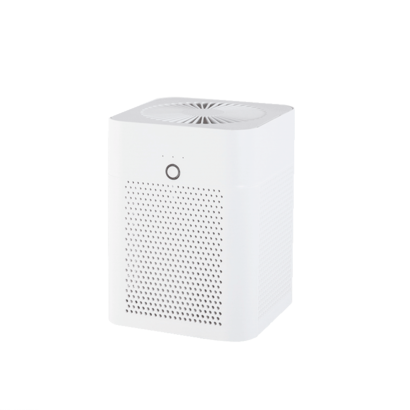
For smaller bedrooms, a compact HEPA unit such as the AP-01 is a practical starting point, but confirm its CADR against your room size before you buy.
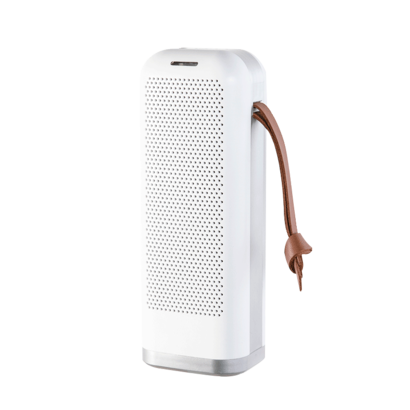
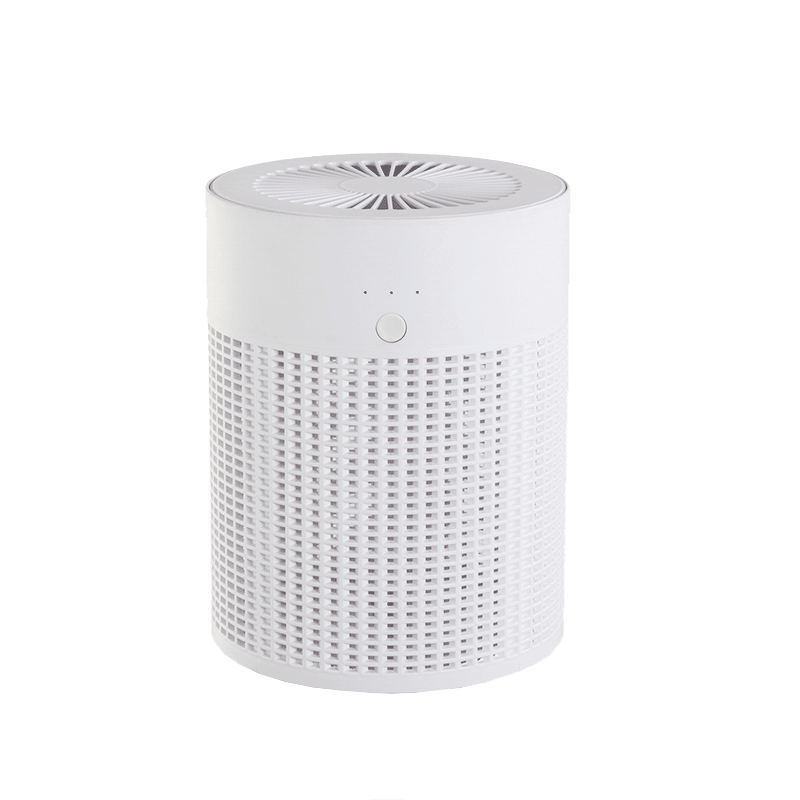 AP-01 Compact HEPA Air Purifier for Small RoomsA compact H12 HEPA purifier with 25 CFM CADR and 40 sq ft coverage, worth checking against a small bedroom’s airflow needs.View Product →
Airflow also depends on placement. Put the unit where air can move into and out of it, not tight in a corner behind a curtain. Keep it a short distance from the wall and away from a direct vent if that causes short cycling. Run it on a speed you can live with. A quiet sleep mode often moves much less air, so check the noise level at the cleaning speed you actually need.
Filter fit and maintenance are not small details. A HEPA filter that is not sealed to the frame lets dirty air go around the media. A clogged prefilter reduces airflow. Check replacement cost and availability before purchase. A low price with hard to find filters is not a bargain. In dusty homes, vacuum the prefilter monthly and replace the HEPA filter when airflow drops or the manufacturer interval arrives, whichever comes first.
Bedrooms are the best test case because the door is often closed and the source is limited. Run the cleaner for an hour before bed and keep it on low or medium overnight. For allergy sufferers, the goal is to lower the particle load near the pillow, not to sterilize the room.
Living rooms with pets need more airflow and better source control. Brush pets outdoors, wash pet bedding, and place the cleaner where dander collects rather than in a far corner. During wildfire smoke or high pollen days, keep windows closed, run the unit on high, and replace carbon if odors return.
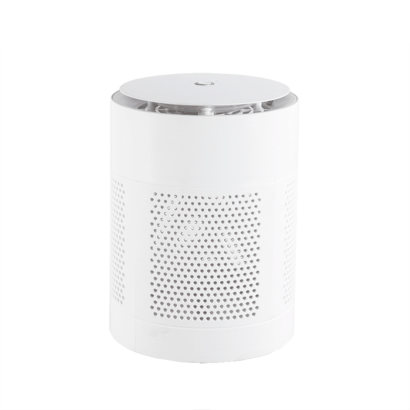
Home offices and small studios benefit when printing, cooking, or dust from equipment adds particles. A portable rechargeable unit such as the RAP-02 can help in a nursery, hotel room, or desk area, but its small filter and battery runtime limit it to personal spaces. Do not expect a mini unit to clean an open plan room.
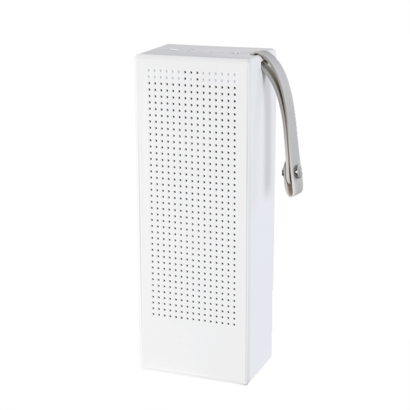
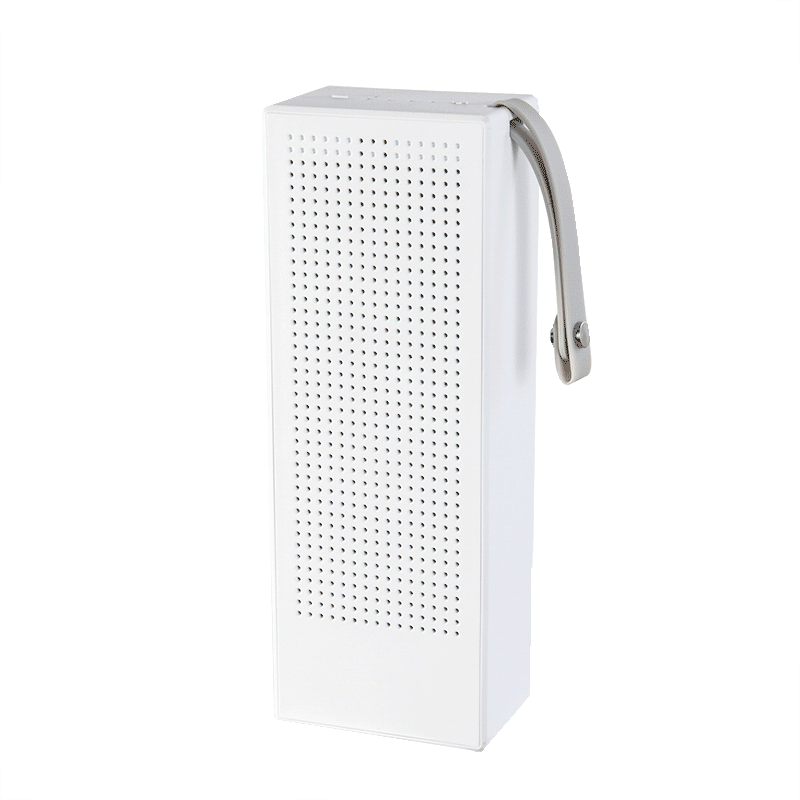 RAP-02 Portable Rechargeable Air Purifier for Personal SpacesA battery-powered H12 HEPA purifier with 50 m³/h CADR and 8–10 m² coverage, suited to desks, nurseries, or hotel rooms.View Product →
A simple test is to run the unit in a closed room for 30 minutes and notice whether smoke, cooking odor, or dust in the air clears. Particle counters can show a drop, but low cost sensors vary and should be treated as a guide. The most reliable sign is consistent operation: a cleaner run all day at low to medium speed usually beats one run for an hour at maximum.
Check the prefilter monthly and the HEPA filter when airflow drops or the manufacturer interval arrives. Listen for rattles, look for filter bypass, and keep the intake clear. If the unit has an ionizer or UV stage, confirm that it meets safety expectations and does not produce ozone. For filter and maintenance questions, the FAQ page is a useful next step.
Use this list as a filter for marketing claims. A product that cannot answer these points clearly is a risk, especially for a bedroom or a room with a known allergy sufferer.
Yes, air cleaners work for the job they are designed to do: they reduce airborne particles in a defined space when sized, placed, and maintained correctly. They are less effective against gases unless carbon media is adequate, and they do not replace ventilation or moisture control. Buy for the room you have, check CADR and filter fit, and run the unit consistently. For a compact bedroom option, the AP-01 shows the tradeoff between size and airflow. For broader selection details, review the air purifier range before you compare models.

@2020. CIXI XIATIAN ELECTRICAL APPLIANCES CO.,LTD. All rights reserved. Wholesale High-End Electric Fans Manufacturers

 English
 한국어