

As temperatures gradually drop, many families are considering adding or replacing heating equipment. Among the various heating options, electric heaters are the preferred choice for many consumers due to their convenience, portability, and ease of installation.
Content
Before purchasing, it's important to first understand the main types of electric heaters, as they vary in their operating principles, application scenarios, and heating performance.
How it works: Heats air upwards and cools it downwards, creating a circulation pattern that evenly heats the room.
Features: Rapidly heats up, with a low air temperature, making it suitable for spaces like living rooms and bedrooms. Some high-end models feature fan-assisted circulation for improved thermal efficiency.
How it works: The heater is filled with thermal oil, which is heated by an electric heating element and then dissipated into the air through fins.
Features: Stable, long-lasting heating, able to maintain warmth for a period of time after a power outage, quiet, but slow to warm up. Suitable for long-term, large-area constant-temperature heating needs.
Principle: Electric heating elements (such as quartz tubes, halogen tubes, etc.) generate infrared radiation, which directly radiates heat to the human body and objects.
Features: Instant heating with strong directional properties, but limited heating range, suitable only for close-range heating.
Principle: Uses a fan to blow hot air out.
Features: Compact size, strong instant heating effect, but limited air distribution range, and continuous operation may dry out the indoor air.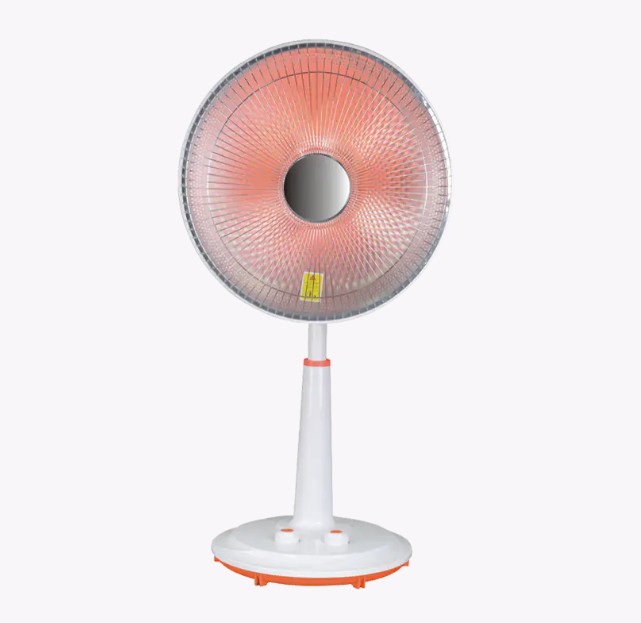
After deciding on a type, you should focus on the following key factors based on your actual usage environment and needs:
This is the primary consideration when choosing an electric heater. Generally speaking, the wattage of the heater should match the room size. Too little power will result in poor heating, while too much power will waste energy. The following standards are generally recommended:
For heaters with multiple heating modes, the power can be adjusted according to actual needs for more precise heating.
Safety is the lifeblood of an electric heater. A high-quality home heater must have comprehensive safety features:
Temperature control system: Heaters with precise thermostats or constant temperature functions can automatically reduce or stop heating when the set temperature is reached, effectively saving energy and maintaining a stable heating comfort level.
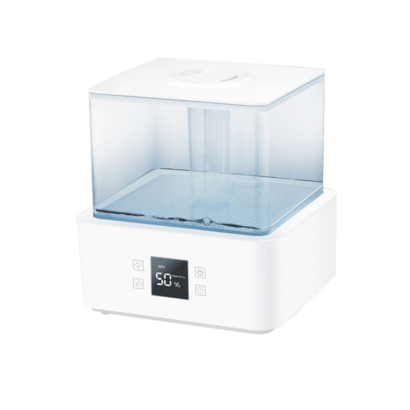
Humidification function: Some electric heaters come with a built-in humidification cartridge or humidification function, which can alleviate the dry air problem caused by winter heating.
Modern electric heaters are increasingly offering a wide range of additional features that enhance the user experience:
If you're looking for quick heating, choose a convection or fan heater. If you need long-term, quiet heating, an oil-filled radiator is a better choice. If you only need localized, close-quarter heating, consider a radiant "little sun" heater.

@2020. CIXI XIATIAN ELECTRICAL APPLIANCES CO.,LTD. All rights reserved. Wholesale High-End Electric Fans Manufacturers

 English
 한국어
한국어