

The right portable dehumidifier comes down to three core factors: moisture extraction capacity, room size compatibility, and energy efficiency. A well-matched unit can reduce indoor humidity by more than 77% compared to running no dehumidification solution, helping to prevent mold growth and maintain a comfortable living or working environment. Start by measuring your space, then match the pint-per-day capacity to the room's size and moisture level.
Content
Capacity is measured in pints of water removed per day. Choosing too small a unit means the dehumidifier runs constantly without achieving target humidity levels; too large and you waste energy.
| Room Size (sq ft) | Moisture Condition | Recommended Capacity |
|---|---|---|
| Up to 500 | Moderately damp | 10–20 pints/day |
| 500–1,000 | Very damp or musty | 25–30 pints/day |
| 1,000–2,000 | Wet or water seepage | 40–50 pints/day |
| 2,000+ | Extremely wet | 50–70 pints/day |
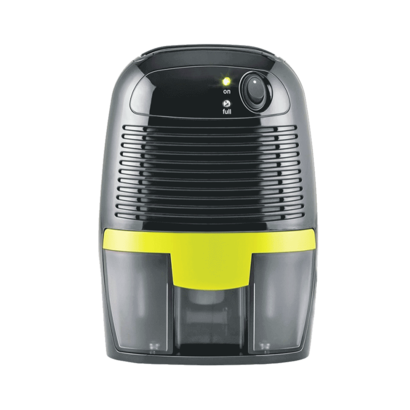
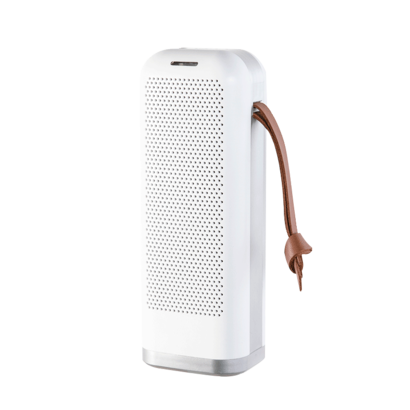
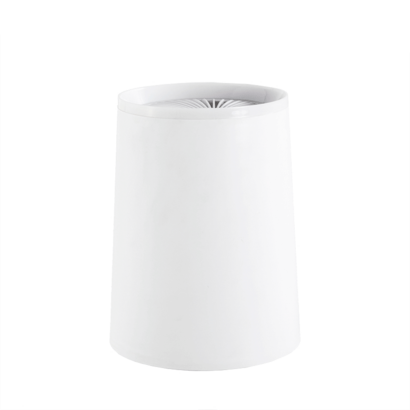
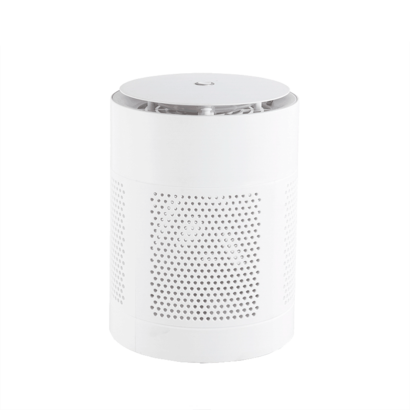
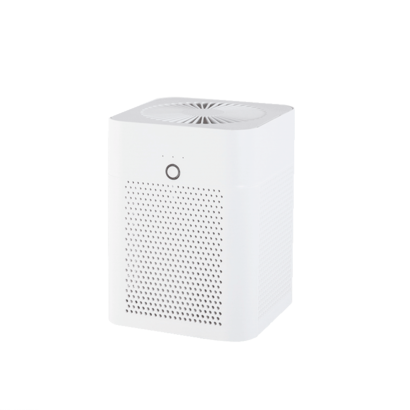
For example, a compact portable dehumidifier rated at 20 pints/day is ideal for a bedroom or small office, while a basement or large open-plan room requires at least a 50-pint unit.
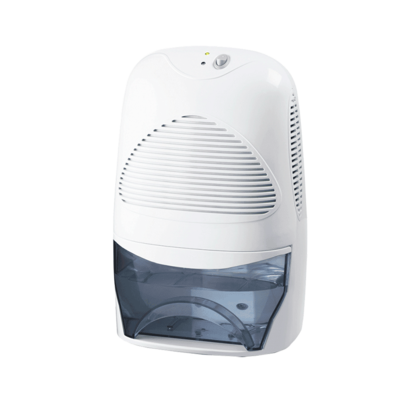
Look for units with an Energy Factor (EF) of 1.5 liters per kilowatt-hour or higher. Energy-efficient portable dehumidifiers use compressor technology or advanced thermoelectric systems to cool and remove moisture from the air without excessive power consumption. Running a low-efficiency unit for 8 hours a day can cost two to three times more in electricity than a certified energy-efficient model over a single season.
Key features that signal good energy design include:
The defining advantage of a portable dehumidifier is the ability to move it wherever moisture is a problem — from a bathroom in the morning to a bedroom at night, or onto a shelf, desk, or under furniture. When evaluating portability, consider:
Units under 5 kg are easy to carry between rooms. Slim, compact designs allow placement in tight spaces — on top of boxes or bags, beneath shelving, or on a desk — without obstructing airflow in the room.
Larger models (30 pints and above) should include 360-degree rolling casters and a top-mounted carry handle. For smaller personal units, a lightweight body without wheels is typically sufficient.
Most portable units come with a removable water tank (typically 1–3 liters for compact models). If you plan to use the unit for extended periods, look for a model with a continuous drain hose outlet so you never have to manually empty the tank.
Portable dehumidifiers for living spaces should operate at below 50 decibels (dB) — roughly the volume of a quiet conversation. Units designated for basements or utility rooms can tolerate higher noise levels. Always check the manufacturer's stated dB rating and, if possible, read verified user reviews that comment on real-world noise performance.
Use this checklist to compare models side by side:
Portable dehumidifiers are ideal for targeted moisture control in spaces where a permanent whole-home system is either unavailable or unnecessary. Common high-value applications include:
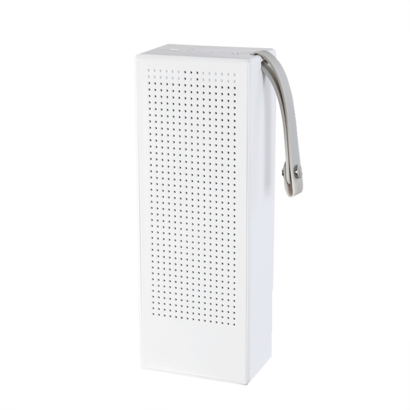
Because of their compact design, portable units can be placed on shelves, on top of furniture, or beneath desks, making them one of the most flexible humidity control options available without any installation.


@2020. CIXI XIATIAN ELECTRICAL APPLIANCES CO.,LTD. All rights reserved. Wholesale High-End Electric Fans Manufacturers

 English
 한국어
한국어