

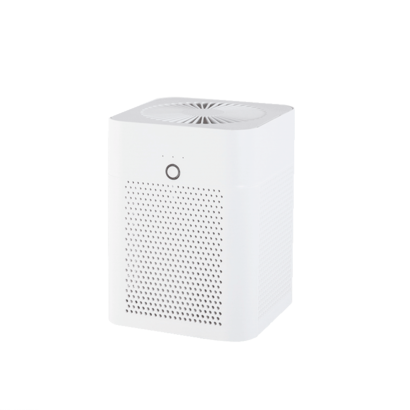
To clean an air purifier filter, turn off and unplug the unit, remove the filter, vacuum off loose dust, then rinse washable filters with cool water and let them air dry completely before reinstalling. HEPA filters, on the other hand, should generally not be washed with water since this can damage the fine fibers that trap particles, and they typically need vacuuming or replacement instead. Doing this every two to four weeks for the pre-filter, and checking the main filter monthly, keeps airflow strong and prevents the unit from working harder than it needs to. A well-maintained Air Purifier depends heavily on a clean filter, since a clogged filter is one of the most common reasons air purifiers lose effectiveness over time.
Content
As dust, pet hair, and other particles build up on a filter, airflow through the unit decreases, which forces the fan to work harder to pull the same volume of air through the machine. According to guidance published by the U.S. Environmental Protection Agency on indoor air quality equipment, a clogged filter can significantly reduce a purifier's ability to capture new particles, since air begins to flow around clogged areas rather than through the filtering material.
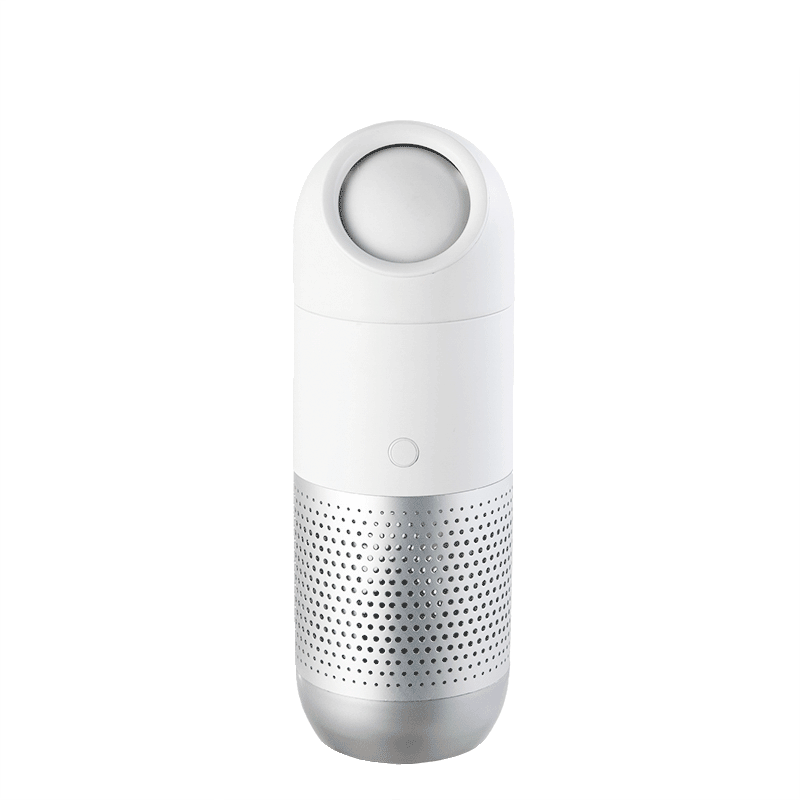
Most air purifiers use a similar basic process for cleaning, though the exact steps can vary slightly depending on the filter type. Following the manufacturer instructions for your specific model is always the safest approach, but the general process below applies to the majority of household units.
Not all filters can be cleaned the same way, and using the wrong method can permanently damage certain filter materials or reduce their effectiveness.
| Filter Type | Recommended Cleaning Method | Water Safe |
| Pre-Filter | Vacuum or rinse with water | Yes |
| True HEPA Filter | Gentle vacuuming only | No |
| Activated Carbon Filter | Vacuum lightly, cannot be washed | No |
| Washable Foam Filter | Rinse with water and mild soap | Yes |
HEPA filters are made of tightly packed fine fibers designed to trap particles as small as 0.3 microns, a standard defined by the U.S. Department of Energy for true HEPA certification. Washing these filters with water can cause the fibers to mat together or tear, permanently reducing their ability to capture small particles even after drying.
Cleaning frequency depends on the filter stage and how much the unit is used, but most manufacturers recommend a general schedule that keeps airflow consistent without wearing down the filter material too quickly.
| Filter Stage | Recommended Frequency |
| Pre-Filter | Every 2 to 4 weeks |
| HEPA Filter | Vacuum monthly, replace as scheduled |
| Carbon Filter | Check monthly, replace every 3 to 6 months |
Households with pets, smokers, or higher dust levels typically need to clean and replace filters more often than these general guidelines suggest, since particle buildup happens faster in these environments.
Certain cleaning habits can shorten the life of a filter or reduce its effectiveness, even when done with good intentions.
Cleaning extends filter life, but every filter eventually reaches a point where cleaning no longer restores performance. Most HEPA filters are rated for 6 to 12 months of use before replacement, according to typical manufacturer guidelines, while activated carbon filters often need replacement sooner since their odor absorbing capacity cannot be restored through cleaning.
Filter care is only part of keeping an air purifier running well. Wiping down the exterior housing and air intake vents with a dry or slightly damp cloth prevents dust from being pulled back into the unit, and checking the fan area periodically for dust buildup helps maintain steady airflow. Keeping the surrounding area free of heavy dust sources also reduces how quickly the filter becomes clogged between cleanings.
Some air purifiers are designed with washable pre-filters, tool-free filter access, and indicator lights that signal when cleaning or replacement is needed, all of which make regular maintenance simpler for everyday use. Looking for these features when selecting a unit, such as an Air Purifier with accessible filter compartments, can make it much easier to stay consistent with the cleaning schedule that keeps the unit performing at its best over time.

@2020. CIXI XIATIAN ELECTRICAL APPLIANCES CO.,LTD. All rights reserved. Wholesale High-End Electric Fans Manufacturers

 English
 한국어
한국어