

To use an air purifier effectively, place it in the room where you spend the most time, keep doors and windows closed while it runs, select the appropriate fan speed for your air quality needs, and run it continuously or on a timer. Replace or clean filters on schedule to maintain performance. That is the core of correct air purifier use — everything else is optimization.
Air purifiers work by drawing room air through one or more filter layers that capture particles such as dust, pollen, pet dander, mold spores, smoke, and other airborne contaminants. Some units also include activated carbon layers to adsorb gases and odors. The cleaner the filters and the better the placement, the more effectively the unit can reduce airborne pollutants and improve the overall quality of the air you breathe at home or at work.
Content
Placement is one of the most important factors in how well an air purifier performs. A unit positioned poorly can clean the same small pocket of air repeatedly while leaving the rest of the room largely unaffected.
Every air purifier is rated for a maximum room area, expressed in square feet or square meters. Running a unit in a space significantly larger than its rated coverage area means the air is not being cycled through the filters frequently enough. As a general guideline, look for a unit that can deliver at least 4 to 5 air changes per hour (ACH) in your target room — meaning the entire volume of air in the room passes through the purifier four to five times every hour. For allergy or asthma sufferers, higher ACH values are preferable.
Place the air purifier where airflow is unobstructed. Avoid pushing it into corners or against walls where intake vents can be blocked. Most manufacturers recommend leaving at least 30 to 60 cm (12 to 24 inches) of clearance on all sides with air intake vents. For tower or upright models, placing the unit near the center of the room or near the primary source of pollution (such as near a pet bed or a cooking area) gives the best results.
People typically spend 6 to 9 hours per night in a bedroom — making it the highest-priority room for air purification. Living rooms and home offices are the next most important. If you own a single unit, consider moving it between rooms based on your daily schedule rather than leaving it permanently in a low-occupancy area.
Before switching on a new air purifier for the first time, a few setup steps ensure it works safely and at full efficiency from the start.
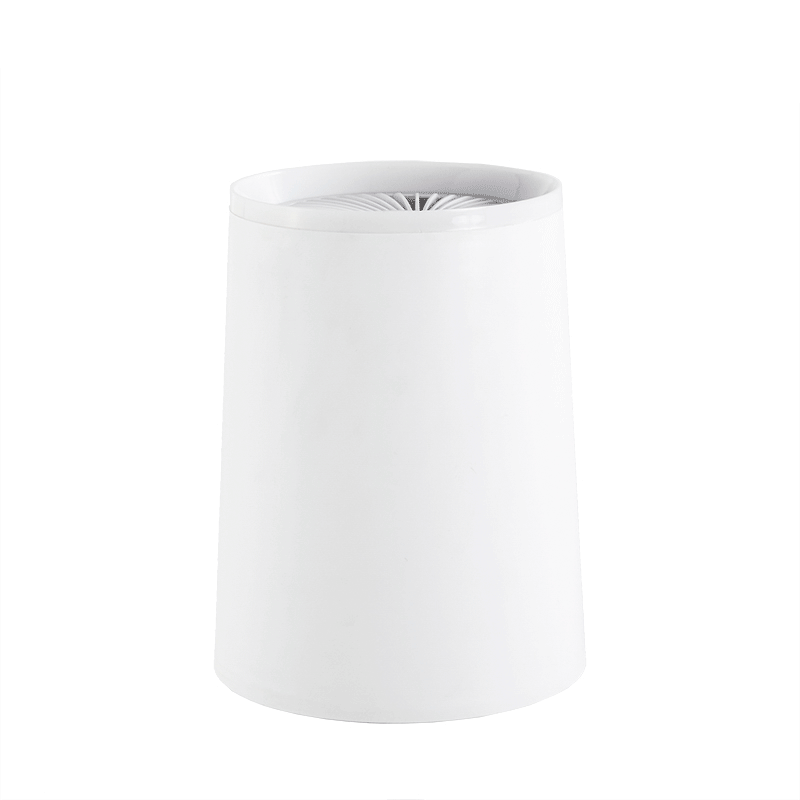
Most air purifiers offer multiple fan speeds and, on more advanced models, automatic or sleep modes. Knowing when to use each setting makes a practical difference to both air quality and running noise levels.
| Setting | When to Use | Noise Level | Best For |
|---|---|---|---|
| Low / Level 1 | Ongoing air maintenance in a clean room | Very quiet (typically 25–35 dB) | Sleeping, reading, quiet work |
| Medium / Level 2 | Everyday use with moderate activity | Moderate (35–45 dB) | Living rooms, home offices during the day |
| High / Level 3 | High pollution events (cooking, cleaning, smoke) | Noticeable (45–60 dB) | Rapidly clearing heavy dust, smoke, or odors |
| Auto Mode | Whenever you want set-and-forget operation | Varies with air quality sensor readings | All-day use without manual adjustment |
| Sleep / Night Mode | Overnight use in bedrooms | Very quiet with dimmed indicator lights | Uninterrupted sleep with continuous filtration |
If your unit has an air quality sensor and auto mode, this is often the most practical setting for daily use. The sensor detects changes in particulate levels and adjusts fan speed automatically — running faster when pollution rises (for example, when someone cooks or vacuums) and slowing down when the air is already clean, saving energy without requiring manual intervention.
For best results, run your air purifier continuously or for as many hours per day as possible. Air quality in an enclosed room degrades over time as new particles are introduced through ventilation, human activity, cooking, and off-gassing from furniture and building materials. A purifier that runs only occasionally will clean the air during its operating period but allow pollutant levels to rise again when it is off.
In practice, many people run their air purifier 24 hours a day, 7 days a week, particularly in bedrooms and living areas. Modern units at low fan speeds are extremely energy efficient — many consume less than 15 to 30 watts at their lowest setting, comparable to a standard LED light bulb, making continuous operation very economical.
If continuous operation is not practical, prioritize running the unit:
Running an air purifier with windows or doors wide open significantly reduces its effectiveness. Open windows allow a continuous inflow of outdoor pollutants — dust, pollen, outdoor smoke, vehicle exhaust — that the purifier cannot keep pace with. The unit ends up in a constant, losing battle against the influx of fresh contamination rather than progressively cleaning a contained volume of air.
This does not mean you should never ventilate your home. Natural ventilation with fresh outdoor air is beneficial when outdoor air quality is good. The practical approach is:
Most quality air purifiers use a multi-stage filter system, with each stage targeting a different type of airborne contaminant. Understanding what each filter does helps you maintain the unit correctly and explains why replacing filters on schedule is non-negotiable for sustained performance.
The pre-filter is the first line of defense, capturing large particles such as hair, lint, large dust clumps, and pet fur before they reach the finer filters. This protects the HEPA filter from becoming clogged prematurely. Many pre-filters are washable and reusable — they should be cleaned every 2 to 4 weeks depending on household conditions. A clean pre-filter directly extends the life of the more expensive HEPA filter.
A true HEPA (High Efficiency Particulate Air) filter captures at least 99.97% of airborne particles 0.3 microns or larger — including fine dust, pollen, mold spores, pet dander, bacteria, and many other allergens. This is the core filtration stage and the most important indicator of an air purifier's ability to reduce allergens and respiratory irritants. HEPA filters are not washable; they must be replaced when saturated, typically every 6 to 12 months depending on usage and air quality.
The activated carbon layer uses a highly porous carbon material to adsorb gases, volatile organic compounds (VOCs), chemical fumes, cooking odors, tobacco smoke odor, and other gaseous contaminants that particle filters cannot capture. It is particularly important in kitchens, homes with smokers, newly furnished rooms off-gassing from furniture or paint, and any environment with chemical odor concerns. Carbon filters saturate over time and require replacement every 3 to 6 months for active odor control.
Some air purifiers include additional stages such as UV-C light germicidal lamps or ionizers. UV-C lamps can inactivate certain bacteria and viruses as air passes through, while ionizers charge airborne particles to make them fall out of the air faster. These additional stages complement the primary HEPA and carbon filtration — they do not replace it. If your unit includes these features, follow the manufacturer's guidance on bulb replacement or ionizer maintenance.
Filter maintenance is the single most important ongoing task for air purifier owners. A clogged or saturated filter does not just reduce performance — it can actually restrict airflow enough to overheat the motor or cause the unit to recirculate trapped pollutants. Follow these general guidelines, adjusting based on your specific usage environment.
Homes with pets, heavy cooking, smokers, or high dust levels will need to replace filters more frequently than households with lower pollutant loads. Many air purifiers include a filter replacement indicator light or timer — use this as a reminder but also perform periodic visual inspections, as actual filter life varies with real-world conditions.
Always power off and unplug the unit before opening the filter compartment. When removing an old HEPA filter, place it directly into a sealed plastic bag before disposal to prevent re-releasing captured particles into the room air.
Air purifiers are most frequently purchased by people managing specific health concerns. The way you use the purifier — placement, run time, and filter type — should be adapted to address the primary concern effectively.
For allergy sufferers, the bedroom is the highest priority location. Run the air purifier continuously, especially during high pollen seasons. A unit with a true HEPA filter will capture pollen grains (typically 10 to 100 microns), dust mite debris, and pet dander effectively. Keep bedroom doors closed to contain the cleaned air. Wash bedding weekly in hot water and vacuum regularly to reduce surface-settled allergens that the air purifier cannot address.
Asthma triggers in indoor air include dust, pet dander, mold spores, tobacco smoke particles, and chemical fumes. A combination HEPA and activated carbon filter unit addresses both particulate and gaseous triggers. For asthma sufferers, running the purifier at a higher air exchange rate is particularly important — aim for a unit rated for 5 or more air changes per hour in the target room. Avoid placing the unit near strong scent sources (candles, air fresheners) that may themselves be asthma irritants.
Air purifiers with HEPA filters effectively capture airborne mold spores. However, an air purifier addresses the symptom — airborne spores — not the cause, which is moisture and mold growth on surfaces. Address the root moisture problem (leaks, condensation, inadequate ventilation) while using the air purifier to reduce airborne spore counts. For mold-sensitive individuals, pairing an air purifier with a dehumidifier is a highly effective combination, as mold growth is strongly suppressed when indoor relative humidity is maintained below 50%.
Smoke contains both fine particulate matter (captured by HEPA) and gaseous compounds including VOCs and carbon monoxide (addressed by activated carbon). For smoke control, ensure the unit has both a true HEPA filter and a substantial activated carbon layer. Run at high speed immediately after smoking activity or during wildfire smoke events. Replace the carbon filter more frequently than standard intervals, as smoke saturates activated carbon faster than most other common household odors.
Even with a high-quality unit, certain usage habits significantly undermine the results you experience. Avoiding the following mistakes ensures you get full value from your air purifier.
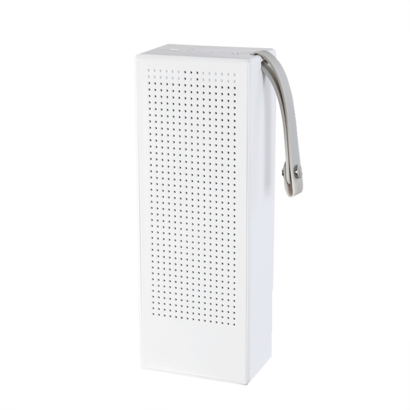
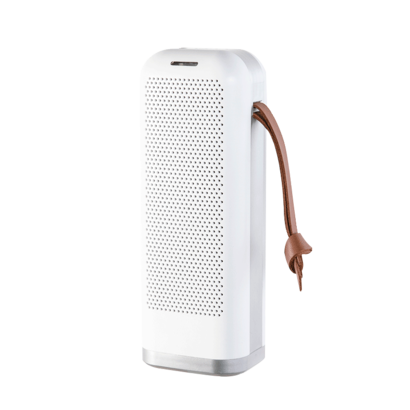
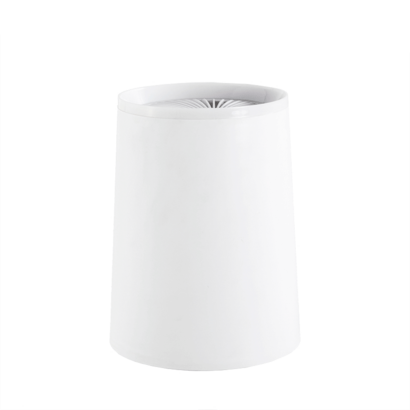
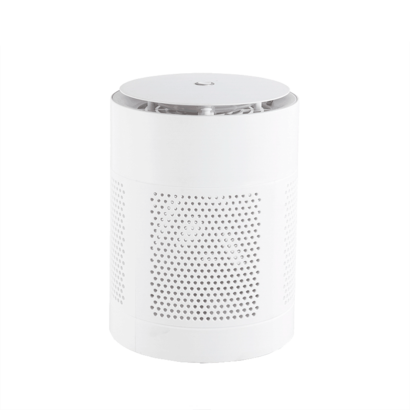
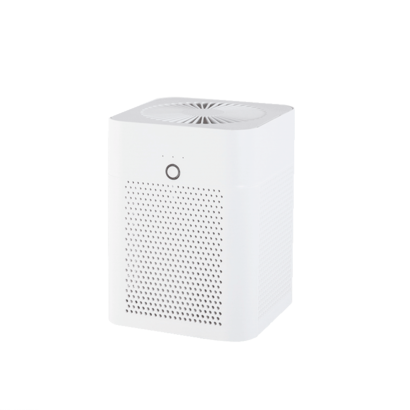
Compact and mini air purifiers are particularly popular for personal spaces: bedside tables, desk surfaces, small bedrooms, dormitory rooms, hotel rooms, or office cubicles. Their smaller fan and filter size means they are best used for targeted, close-range air cleaning rather than whole-room filtration.
Because improved air quality is invisible, many people are uncertain whether their air purifier is making a measurable difference. Here are practical signs that indicate your unit is performing as expected:
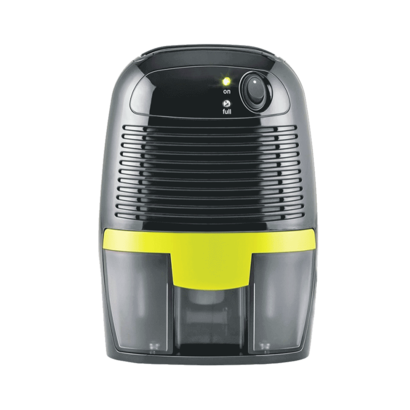
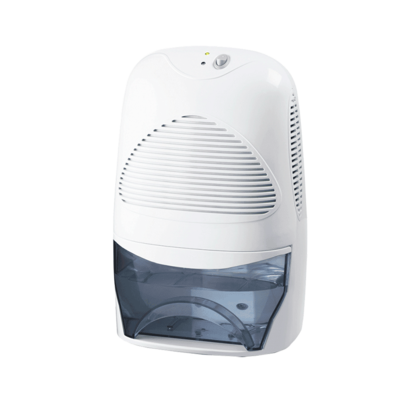
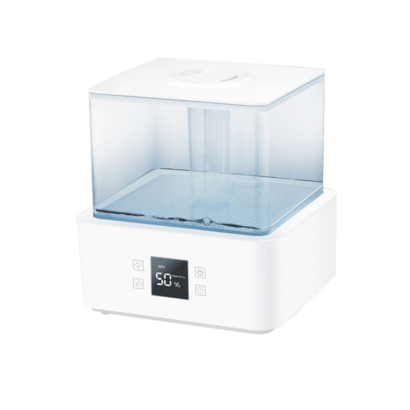

@2020. CIXI XIATIAN ELECTRICAL APPLIANCES CO.,LTD. All rights reserved. Wholesale High-End Electric Fans Manufacturers

 English
 한국어
한국어