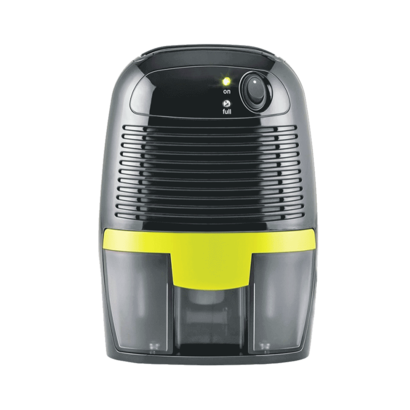
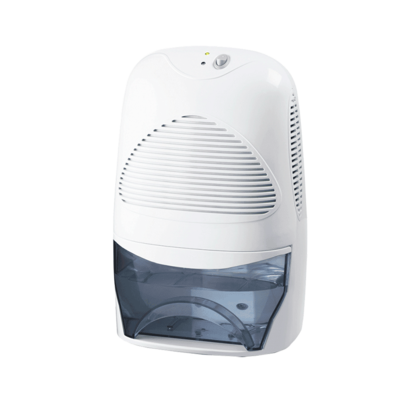
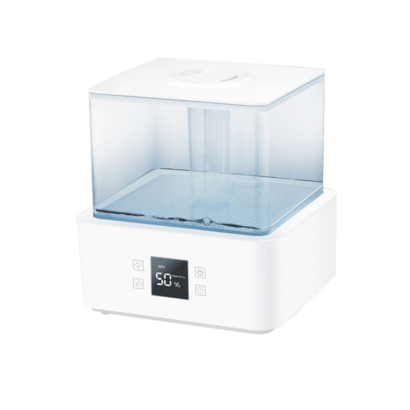
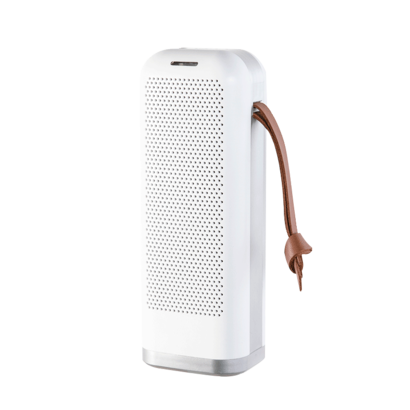
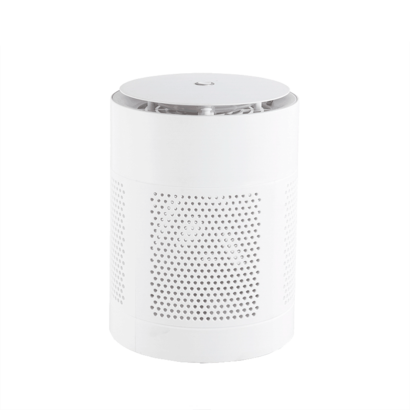
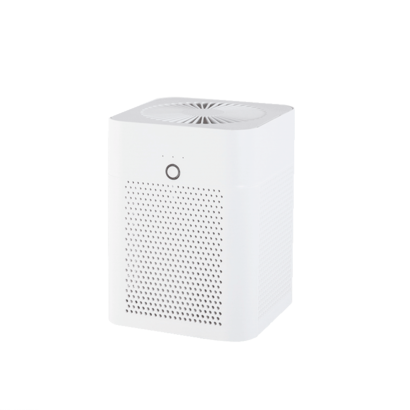
In humid environments, dehumidifiers are essential for many homes and businesses to combat moisture and maintain indoor dryness.
Understanding the Conditions for Mold Growth
To answer this question, we first need to understand the conditions for mold growth. Mold is a type of fungus, and its growth depends on three key factors: moisture, suitable temperature, and nutrients (such as dust, walls, or wood). Moisture, or high humidity, is the decisive factor in initiating mold growth.
Generally, mold becomes active when indoor humidity exceeds 60%; and when relative humidity exceeds 70%, mold enters a rapid reproduction phase. The core function of a dehumidifier is to reduce indoor air humidity, fundamentally cutting off the moisture source needed for mold growth, thereby achieving the goals of mold prevention, dehumidification, and improved air quality.
Why is there a misconception that "dehumidifiers cause mold"?
Dehumidifiers are inherently effective at preventing mold, but improper use and maintenance can indirectly cause or exacerbate mold problems:
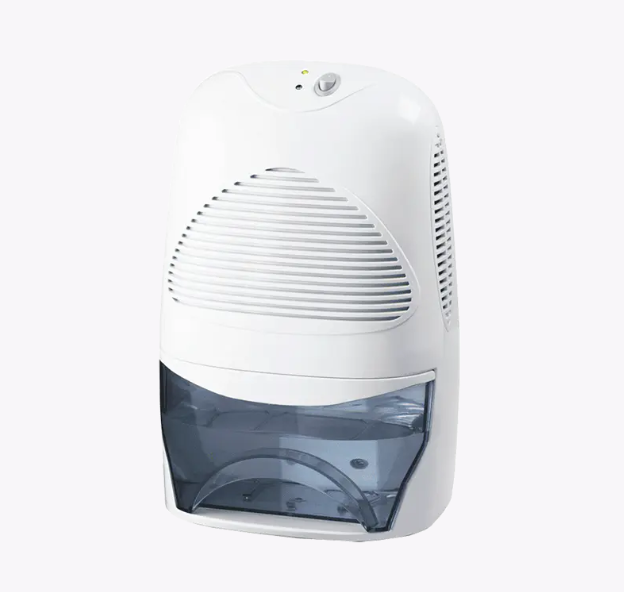
- Failure to clean the water tank promptly: When a dehumidifier is working, it condenses water vapor in the air into droplets and collects them in the water tank. If the water in the tank is not cleaned for a long time, in a warm environment, this stagnant water and the tank walls can become an ideal breeding ground for mold and bacteria.
- Dirty filters and internal evaporator: Some dehumidifiers are equipped with filters. These filters and the evaporator inside the machine absorb dust and particulate matter when drawing in air; these organic substances are nutrients for mold. When the machine is turned off or not used for a long time, if residual moisture remains inside, these contaminated components are prone to mold growth, and mold spores will be released into the air when the machine is run again.
- Insufficient dehumidification or short operating time: If the room humidity is too high, but the dehumidifier's power is insufficient or its operating time is too short, it cannot effectively reduce the humidity to a safe range (e.g., below 50%). The residual high humidity will still support mold growth on walls, furniture, etc.

Proper use of a dehumidifier for efficient mold prevention
To maximize the dehumidifier's dehumidification and mold prevention effects, the following key steps must be followed:
- Regularly clean the water tank: After each emptying, it is recommended to rinse the water tank with clean water and ensure the inside is dry. Alternatively, use a diluted disinfectant for periodic cleaning to completely eliminate the opportunity for mold growth.
- Clean the filter and interior: Clean the filter at least every two weeks, and regularly clean or disinfect the evaporator inside the dehumidifier according to the user manual.
- Set an appropriate humidity target: Set the dehumidifier's target humidity between 40% and 60%. This range effectively inhibits mold growth while maintaining a comfortable level of humidity for humans, avoiding excessive dryness.
- Use in enclosed spaces: When the dehumidifier is working, doors and windows should be closed to prevent outdoor moisture from continuously entering and to improve dehumidification efficiency.
A dehumidifier is an effective tool for combating high indoor humidity and mold growth. It does not cause mold growth itself; instead, it creates an environment unfavorable to mold survival by reducing air humidity. As long as users follow the correct usage and maintenance guidelines, especially frequent emptying of water and regular cleaning, you can ensure that your dehumidifier becomes a powerful assistant in preventing moisture and mold in your home, keeping indoor air quality fresh and healthy.