During dry seasons, humidifiers are essential for improving indoor air quality and enhancing comfort. However, without regular cleaning and maintenance, a Humidifier can easily transform from a "health helper" into a breeding ground for mold and bacteria, negatively impacting our respiratory health.
Why is it necessary to clean a humidifier regularly?
Humidifiers increase air humidity by atomizing water. Minerals in tap water, such as calcium and magnesium, can deposit and form limescale during use. This limescale not only affects the humidifier's atomization efficiency but, more importantly, stagnant water and a damp environment are ideal for the growth of bacteria and mold. When the humidifier is working, these pollutants are released into the air along with the water mist, posing a health threat to sensitive groups such as children, the elderly, or those with respiratory illnesses.
Tools Needed to Clean a Humidifier
For a thorough cleaning, you will need the following items:
- White vinegar (or citric acid): Used to remove limescale.
- Bleach (or a professional disinfectant): Used to disinfect and kill mold.
- Soft-bristled brush or old toothbrush: Used to remove dirt from crevices.
- Clean cloth or sponge.
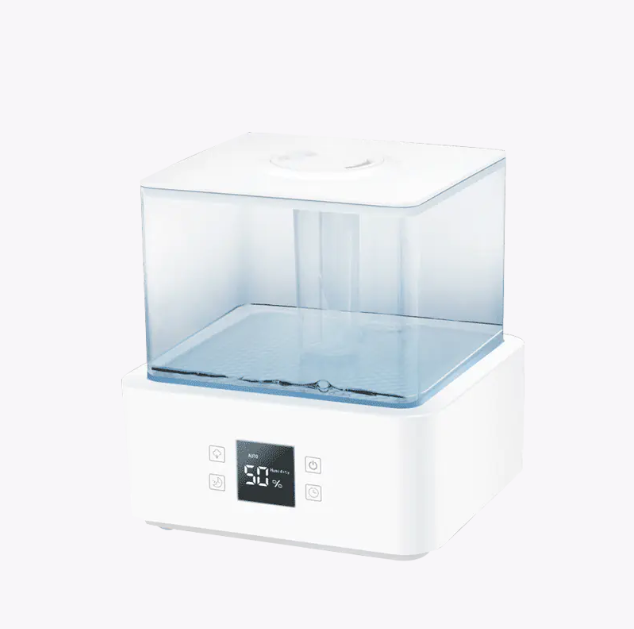
Humidifier Cleaning and Disinfection Steps
Step 1: Daily Maintenance and Preparation
- Power Off and Empty: Before starting cleaning, always unplug the humidifier. Empty all remaining water from the water tank and base.
- Daily Water Change: To minimize bacterial growth, it is recommended to change the water in the Humidifier daily, preferably using purified or distilled water.
Step 2: Descaling
This is the most crucial step in cleaning the humidifier, designed to remove limescale buildup.
- Soaking: Pour an appropriate amount of white vinegar (or citric acid solution) into the base and water tank, then add water to the normal water level.
- Letting Set: Before turning on the humidifier, let the white vinegar/citric acid solution sit for at least 20 to 30 minutes. For stubborn limescale, let it sit for a longer time.
- Scrubbing: Gently scrub the inside of the water tank and the heating element/vibrator plate in the base with a soft-bristled brush or toothbrush to remove loose limescale.
- Rinsing: Rinse all parts thoroughly with clean water, ensuring there is no lingering vinegar odor.
Step 3: Disinfection (Weekly)
To thoroughly kill bacteria and mold, disinfection is necessary.
- Disinfectant Preparation: Mix a small amount of bleach (about one teaspoon) with about 4 liters of water, or use a humidifier-specific disinfectant.
- Disinfectant Soak: Pour the disinfectant solution into the water tank and base and let it stand for about 20 minutes.
- Thorough Rinse: Rinse all parts thoroughly with plenty of clean water until the bleach odor is completely gone. Residual disinfectant may be harmful to health.
Step 4: Filter Maintenance and Replacement
Many humidifiers are equipped with filters.
- Filter Cleaning: If the filter is washable, clean it according to the manufacturer's instructions.
- Filter Replacement: If the filter cannot be cleaned or has reached the end of its lifespan, replace it immediately. This is crucial for maintaining optimal Humidifier performance and a healthy environment.
Summary: The Secret to Long-Term Efficient Humidifier Operation
Regular cleaning is the cornerstone of ensuring effective humidifier operation and maintaining a healthy environment. Remember the following points:
- Daily: Change the water, drain, and let it air dry.
- Weekly: Descale with white vinegar and disinfect with bleach.
- Monthly: Check the filter and perform maintenance or replacement.
Only by properly maintaining and cleaning your humidifier can you truly enjoy the fresh, humid air it provides and avoid the problems of bacteria and mold.




 English
 한국어
한국어