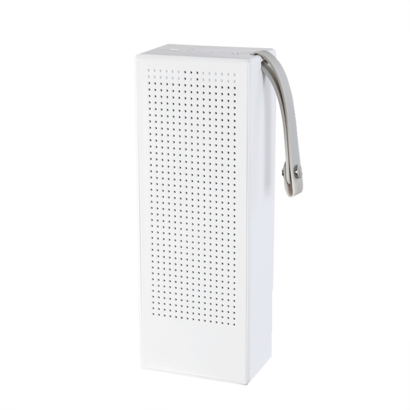
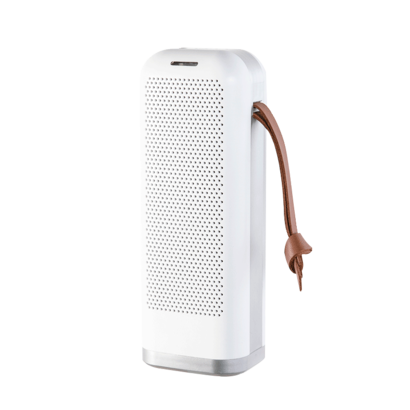
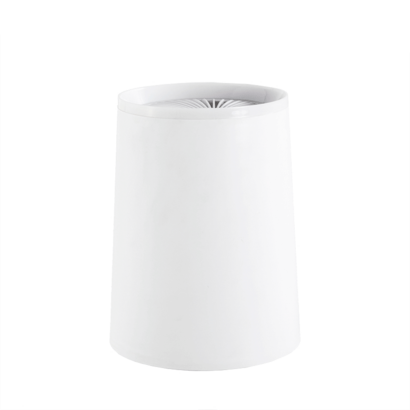
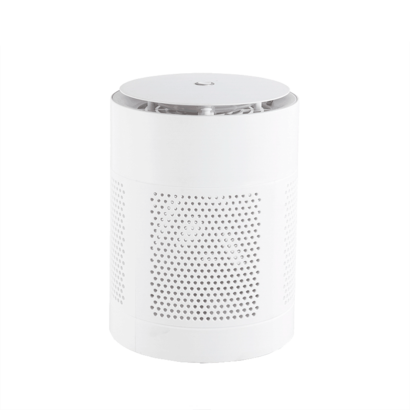
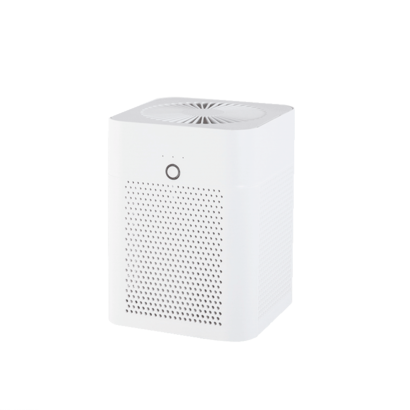
With increasing emphasis on indoor air quality, Air purifiers have become essential health appliances in modern homes and offices.
Core Function 1: Highly Effective Particulate Filtering, Combating Smog Challenges
The most direct function of an air purifier is to efficiently capture fine particulate matter invisible to the naked eye in the air through its advanced filtration system, such as a HEPA filter.
- PM2.5 Removal: Especially during smoggy weather, air purifiers can significantly reduce indoor PM2.5 concentrations, providing a clean breathing environment for occupants.
- Allergen Interception: It effectively filters common allergens such as pollen, dust mites, and pet dander, which is crucial for reducing allergic reactions in people with respiratory sensitivities and allergies.
- Bacteria and Viruses Capture: The high-efficiency filter can also adsorb bacteria and some viral aerosols in the air, reducing the risk of respiratory disease transmission.
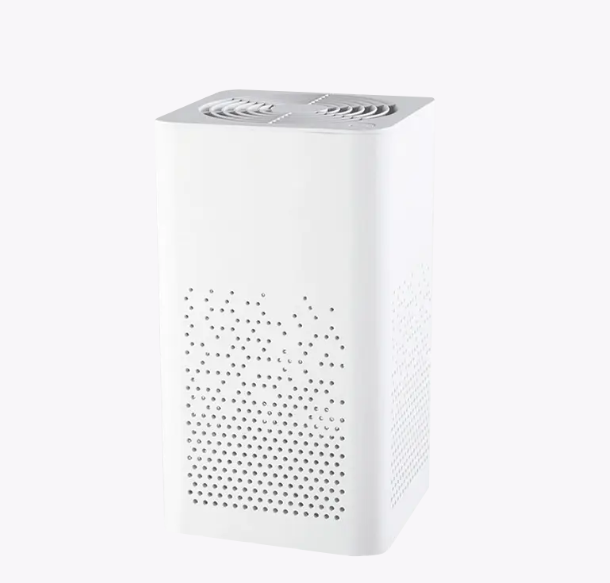
Core Function 2: Powerful Purification of Harmful Gases, Staying Away from "Invisible Killers"
Besides particulate matter, gaseous pollutants in indoor air should not be ignored. Another important function of air purifiers lies in their ability to treat gases.
- Formaldehyde Removal: For newly renovated rooms, professional air purifiers are usually equipped with activated carbon filters or special catalytic technology, which can effectively adsorb and decompose formaldehyde, TVOCs, and other pollutants from renovations, helping to restore a healthy indoor environment.
- Odor Elimination: Whether it's cooking fumes, pet odors, or cigarette smoke, the activated carbon layer can effectively adsorb these odor molecules, keeping the indoor air fresh at all times.
Key Selection Criteria: Focus on CADR Value and Purification Technology
To fully utilize the function of an air purifier, choosing a high-performance product is crucial. When purchasing, be sure to pay attention to the following indicators:
- Clean Air Delivery Rate (CADR): The higher the CADR value, the more air the air purifier can process per unit time, and the higher its purification efficiency. Choose an air purifier appropriately based on the room size.
- Filter Technology: Understand whether it uses a HEPA filter of H13 grade or higher, and the content and technology of the activated carbon filter, as these directly determine its ability to purify particulate matter and gases.
- Additional features: Modern air purifiers also integrate intelligent control, quiet operation, and air quality monitoring to enhance the user experience.
Air purifiers do more than simply "blow air"; they create an indoor air protection barrier through multiple filtration and purification technologies. In today's world where pollution is ubiquitous, investing in a high-quality air purifier is the most direct way to protect your family's health.




 English
 한국어
한국어