

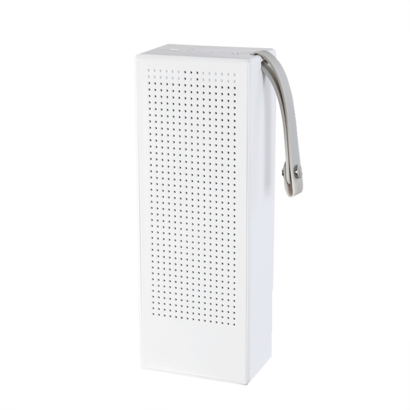
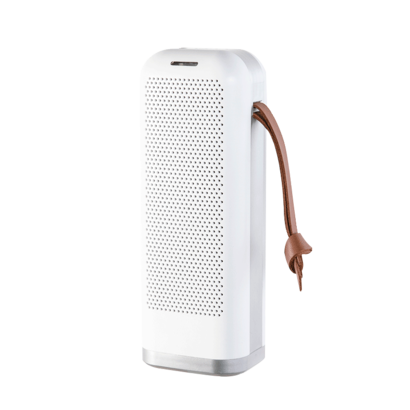
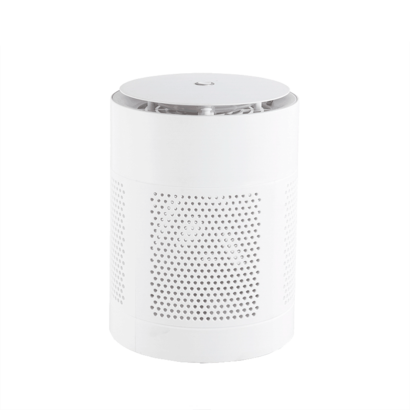
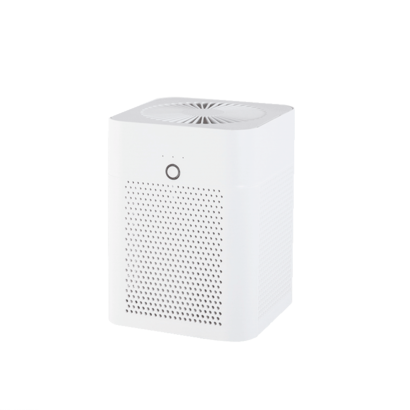
Using an air purifier while sleeping is very beneficial. During sleep, human breathing becomes deep and regular. If there are pollutants such as PM2.5, allergens, or formaldehyde in the room, it will put a continuous burden on the respiratory system. Turning on an air purifier can not only significantly improve the air quality in the bedroom and reduce the frequency of allergic rhinitis or asthma attacks, but also help users achieve a deeper sleep experience by maintaining a fresh air environment.
Content
Many people think that opening windows for ventilation during the day is enough, but at night, the bedroom is often in a closed state with poor air circulation. Here are some key advantages of using an air purifier while sleeping:
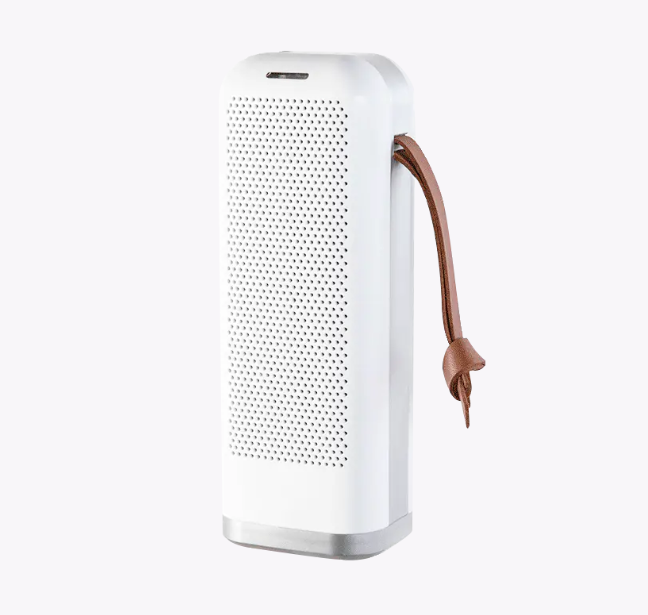
While air purifiers offer numerous health benefits, to avoid disrupting sleep quality, consider the following when purchasing and using one:
This is a crucial indicator of sleep quality. High-quality air purifiers typically have a dedicated "sleep mode," where the fan speed is reduced, and noise levels are usually below 30 decibels—equivalent to a whisper—which won't disturb deep sleep.
Some electronic devices have bright indicator lights or LCD screens. Choosing an air purifier with an "automatic screen off" function or a manual light-off function can prevent light from affecting melatonin secretion.
It is recommended to place the air purifier 1.5 to 2 meters away from the head of the bed. This ensures that the air in your breathing area is prioritized for purification while avoiding direct airflow from the air outlet to your head, which could cause colds or discomfort.
To maximize the effectiveness of your air purifier, regular maintenance is recommended:
Using an air purifier while sleeping is a wise choice to improve your quality of life and protect your respiratory health. With the right product and proper settings, it will become your best guardian for a peaceful night's sleep.

@2020. CIXI XIATIAN ELECTRICAL APPLIANCES CO.,LTD. All rights reserved. Wholesale High-End Electric Fans Manufacturers

 English
 한국어
한국어