

The core benefit of using a dehumidifier is its ability to effectively reduce indoor humidity (ideally between 40% and 60%), thereby inhibiting mold growth, reducing bacterial reproduction, protecting furniture and appliances, improving human comfort, and reducing maintenance and repair costs in the long run. For families in southern regions during the rainy season or in coastal areas with high humidity, a dehumidifier not only improves quality of life but is also an essential health and home protection device.
Content
When air humidity is too high (above 70%), mold growth accelerates significantly. Studies show that when indoor humidity drops from 80% to around 50%, mold growth can be reduced by more than 70%. Dehumidifiers continuously extract moisture from the air through condensation or rotary dehumidifier technology, stabilizing indoor humidity within a healthy range.
A suitable humidity level (40%–60%) can:
For families with elderly people, children, or people with allergies, having a high-efficiency dehumidifier is especially important.
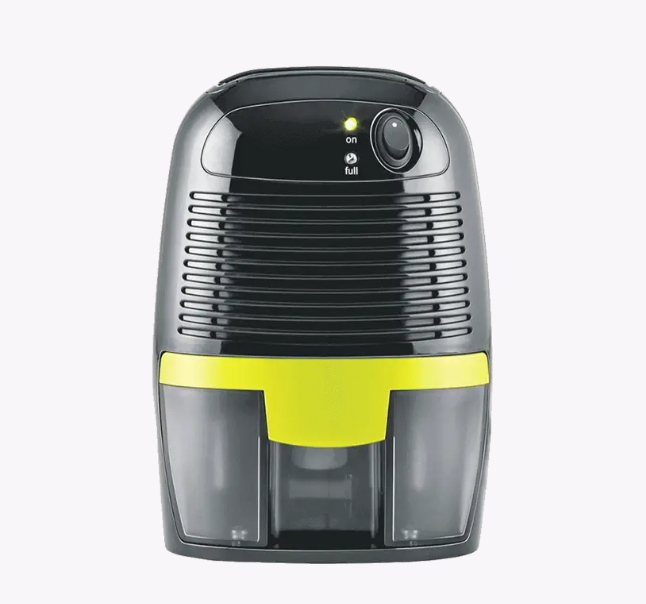
High-humidity environments easily lead to mold growth on walls, damp wardrobes, and mattresses, producing a pungent musty smell. Especially during humid weather or the rainy season, the moisture content of walls can rise to over 15%, making it extremely easy for mold to form.
Using a dehumidifier can:
In a real-world example, a 12L dehumidifier running continuously for 4 hours in a 20-bedroom reduced humidity from 75% to around 55%, significantly improving air quality.
Moisture is an "invisible killer" of wooden furniture, floors, and appliances. Prolonged exposure to high humidity can lead to:
A stable dehumidifier can extend the lifespan of furniture and appliances. Compared to replacing flooring or repairing appliances, the investment in a dehumidifier is clearly more cost-effective.
High humidity hinders the evaporation of sweat, making the air feel stuffy even when the temperature is not high. Data shows that at the same temperature:
Therefore, using a dehumidifier in conjunction with air conditioning in summer can improve cooling efficiency and reduce energy waste. Some families can raise the air conditioning temperature by 1-2°C by using a dehumidifier properly, thus reducing electricity bills.
During rainy seasons, clothes often take more than 24 hours to dry completely. Using a dehumidifier can:
Some high-end dehumidifiers are equipped with a "drying mode," suitable for spaces such as balconies and laundry rooms, effectively solving the problem of long-term dampness.
Modern dehumidifiers use compressor-based refrigeration dehumidification or rotary low-temperature dehumidification technology, continuously improving energy efficiency ratios. Taking a Level 1 energy-efficient dehumidifier as an example:
Compared to maintenance costs caused by humidity, this type of electricity cost is relatively controllable. Furthermore, some models support intelligent humidity sensing and timer functions, further improving energy efficiency.
When purchasing a dehumidifier, pay attention to the following:
For example:
Proper matching is essential to maximizing the dehumidifier's effectiveness.
Dehumidifiers are more than just appliances; they're a safeguard for your health.
The benefits of dehumidifiers extend beyond simply removing moisture; they encompass health protection, air quality improvement, furniture preservation, enhanced comfort, and optimized energy efficiency. Especially in humid climates, dehumidifiers have become an indispensable appliance in modern homes.
If you're facing problems like moldy walls, slow-drying clothes, or stuffy, humid air, a high-quality dehumidifier is an effective solution for improving your quality of life.

@2020. CIXI XIATIAN ELECTRICAL APPLIANCES CO.,LTD. All rights reserved. Wholesale High-End Electric Fans Manufacturers

 English
 한국어
한국어