

An air purifier benefits the home primarily by reducing airborne allergens, dust, pet dander, and odors, which supports easier breathing, better sleep quality, and a generally cleaner living environment, particularly for households with allergy sufferers, pets, or nearby outdoor pollution sources. Since most people spend the majority of their time indoors, the quality of household air directly affects daily comfort and respiratory health in ways that are often underestimated until symptoms improve after regular purifier use. Indoor air quality research commonly referenced by environmental health organizations shows that indoor air can contain pollutant concentrations several times higher than typical outdoor air, due to trapped dust, cooking byproducts, and off-gassing from household materials, making active air filtration a practical step toward improving daily indoor air quality.
Content
One of the most immediate and noticeable benefits of home air purification is a reduction in common airborne allergens that trigger sneezing, congestion, and itchy eyes for sensitive individuals throughout the household.
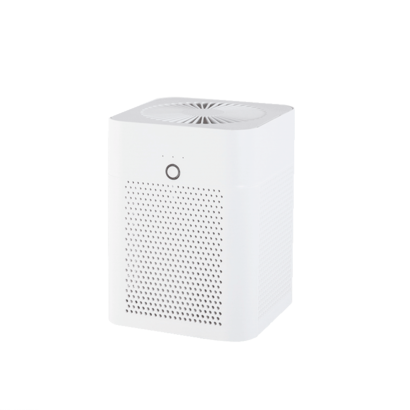
A properly sized Air Purifier equipped with true HEPA filtration can capture these fine particles effectively, helping reduce the airborne allergen load that would otherwise continue circulating and settling throughout different rooms in the home.
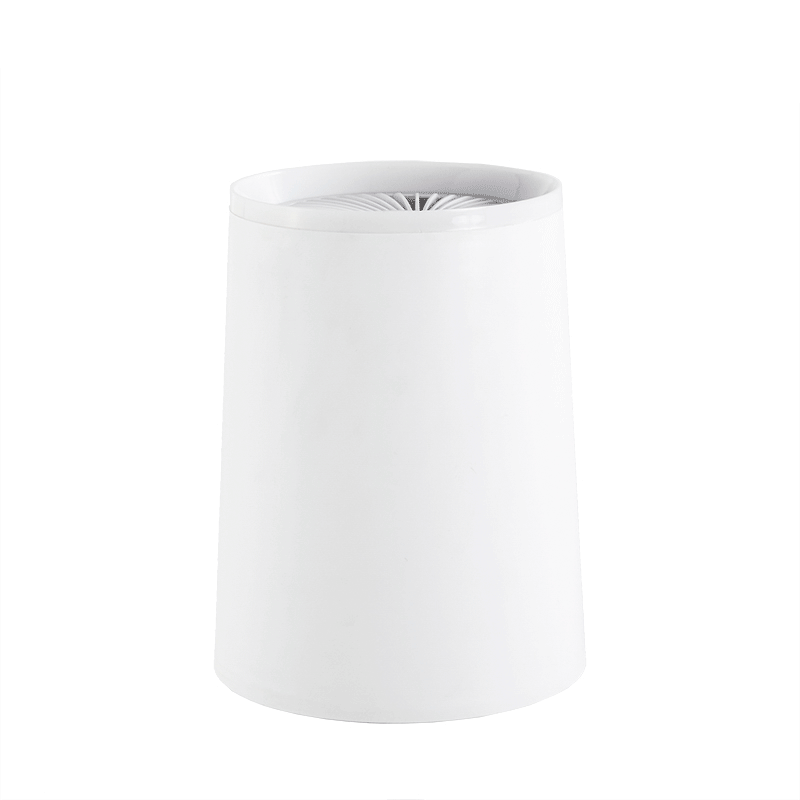
Bedroom air quality directly affects sleep, since breathing cleaner air throughout the night can reduce nighttime congestion and irritation that often disrupts rest for allergy-prone individuals.
| Bedroom Condition | Common Sleep Impact |
| High dust and allergen presence | Nighttime congestion, disrupted breathing |
| Filtered, cleaner air | Reduced congestion, more consistent breathing |
Running a purifier on a quiet low-speed setting overnight allows continuous filtration without disrupting sleep through excessive fan noise, addressing airborne irritants while the household rests.
Beyond allergens, air purifiers also help manage everyday household odors that accumulate from cooking, pets, or general daily activity, particularly in smaller living spaces with limited natural ventilation.
Purifiers equipped with activated carbon filtration components are particularly effective at addressing these odor sources, since carbon media absorbs odor-causing molecules that standard particle filtration alone cannot fully capture.
Households located near busy roads, industrial areas, or regions prone to seasonal wildfire smoke often experience elevated indoor pollution levels as outdoor particles infiltrate through windows, doors, and ventilation systems.
Running an air purifier during periods of poor outdoor air quality helps reduce the concentration of fine particulate matter that would otherwise accumulate indoors, offering a practical layer of protection when opening windows for fresh air is not a realistic option.
Homes situated near busy streets are regularly exposed to vehicle exhaust particles that can infiltrate indoor spaces over time, making consistent indoor filtration particularly valuable for households in these locations.
Certain air purifiers, particularly those with true HEPA filtration, can also help reduce the concentration of some airborne bacteria and virus-carrying particles circulating within enclosed indoor spaces.
True HEPA filters are rated to capture particles down to 0.3 microns with high efficiency, a size range that includes many bacteria and virus-carrying respiratory droplets, making this filtration standard particularly relevant for households prioritizing overall indoor air hygiene.
While filtration reduces circulating airborne particles, air purifiers work best as part of a broader approach to indoor air quality, including regular ventilation and surface cleaning, rather than serving as a standalone solution for airborne illness prevention.
Air purification benefits extend beyond human household members, since pets can also experience improved comfort in homes with reduced airborne dust, dander, and odor buildup.
Households with multiple pets often notice a meaningful reduction in both visible dust accumulation and lingering odors after introducing consistent Air Purifier use into their regular home maintenance routine.
Individuals managing asthma or other respiratory sensitivities often find that consistent air filtration helps reduce environmental triggers that can otherwise contribute to symptom flare-ups within the home.
By capturing dust, pollen, and other airborne irritants before they accumulate indoors, air purifiers help create a more stable indoor environment that reduces exposure to some of the most common asthma and allergy triggers found in typical household settings.
Households with allergy sufferers, asthma diagnoses, indoor pets, or nearby outdoor pollution sources such as busy roads or wildfire-prone regions benefit most significantly from consistent air purifier use. Families with young children or individuals particularly sensitive to dust and airborne irritants also gain meaningful comfort improvements, since cleaner indoor air supports both easier breathing throughout the day and more restful sleep overnight for household members most affected by airborne allergens and pollutants.

@2020. CIXI XIATIAN ELECTRICAL APPLIANCES CO.,LTD. All rights reserved. Wholesale High-End Electric Fans Manufacturers

 English
 한국어
한국어