

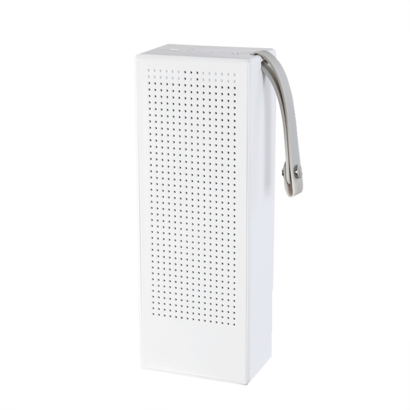
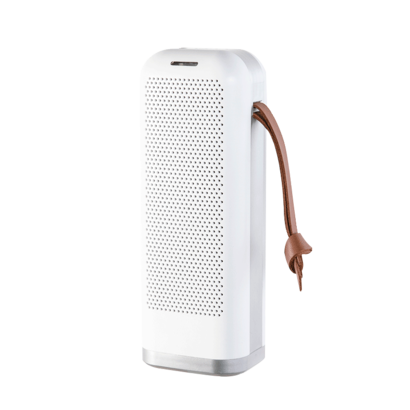
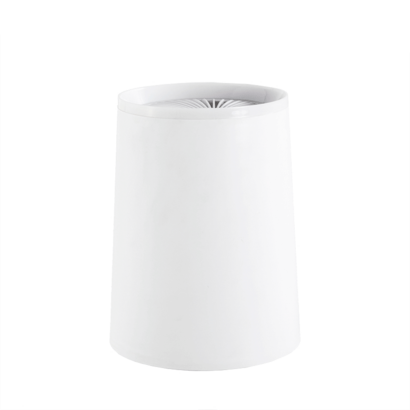
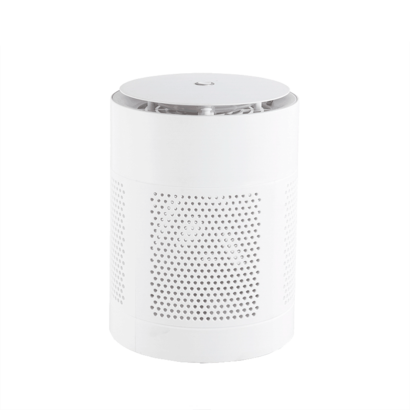
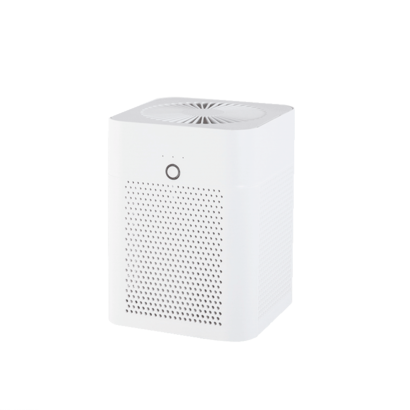
An Airwasher is a device designed to improve indoor air quality by filtering, absorbing, and decomposing airborne pollutants. With increasing concerns over smog, indoor renovation pollution, and respiratory allergies, the Airwasher has become an essential appliance for homes, offices, schools, and healthcare facilities. It plays a critical role in creating cleaner and healthier indoor environments.
Content
The primary function of an Airwasher is to remove harmful substances from indoor air and deliver cleaner, breathable air. Common pollutants targeted by an Airwasher include:
Fine particulate matter such as PM2.5 and PM10
Harmful gases including formaldehyde, benzene, and TVOCs
Allergens like pollen, dust mites, and pet dander
Bacteria, viruses, and other airborne microorganisms
According to environmental monitoring data in China, outdoor PM2.5 levels can exceed 150 μg/m³ during heavy smog events. A high-performance Airwasher can reduce indoor PM2.5 concentrations to below 35 μg/m³ in enclosed spaces, meeting recommended air quality standards.
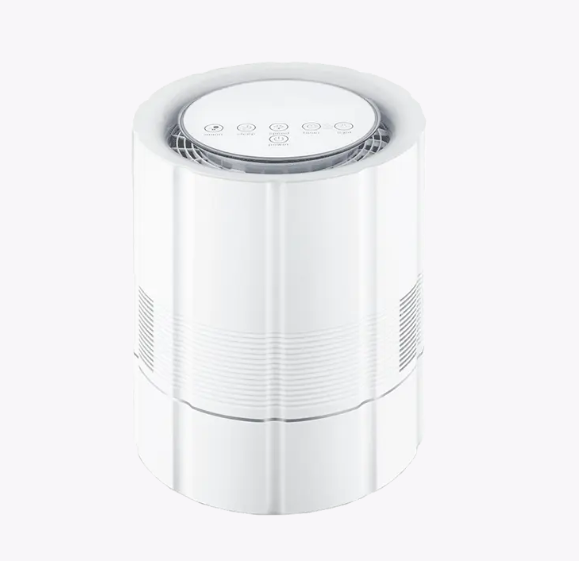
Different Airwasher models use different purification technologies, but most rely on a combination of the following core methods:
HEPA filters are a key component of modern Airwashers. They can capture 99.97% of airborne particles as small as 0.3 microns, making them highly effective against PM2.5, smoke, and pollen.
Activated carbon filters are mainly used to absorb formaldehyde, odors, and harmful gases. Their effectiveness depends on pore density and carbon quality, making them particularly suitable for newly renovated homes.
Some Airwashers utilize negative ions or photocatalytic reactions to break down organic pollutants. When choosing such models, attention should be paid to potential ozone emissions and overall safety.
An Airwasher is not a luxury appliance. It is especially valuable for the following groups:
Newly renovated households, as formaldehyde emissions can last 3–15 years
Families with elderly members, children, or pregnant women, who are more sensitive to air pollution
People with allergies or asthma, affected by pollen and dust mites
Pet owners, exposed to pet hair and dander
In major cities such as Beijing and Shanghai, over 60% of indoor air quality complaints are related to particulate matter and formaldehyde, further highlighting the practical importance of Airwashers.
When selecting an Airwasher, consumers should focus on performance indicators rather than price alone.
CADR reflects purification efficiency:
30 m² room: CADR ≥ 300 m³/h
50 m² room: CADR ≥ 500 m³/h
Higher-grade HEPA filters provide better performance, but buyers should also consider filter lifespan and long-term replacement costs.
For nighttime use, an Airwasher with noise levels below 35 dB is recommended, along with energy-saving modes.
An Airwasher cannot fully replace natural ventilation. Ventilation reduces carbon dioxide levels and promotes air circulation, while an Airwasher excels at removing particulate matter and certain harmful gases. The best results come from combining both methods when outdoor air quality permits.
As awareness of healthy living environments continues to rise, the Airwasher has evolved from an optional appliance into a daily necessity. Understanding what an Airwasher is, how it works, and where it is most effective allows consumers to make informed decisions and create safer, cleaner indoor spaces.

@2020. CIXI XIATIAN ELECTRICAL APPLIANCES CO.,LTD. All rights reserved. Wholesale High-End Electric Fans Manufacturers

 English
 한국어
한국어