

A fan heater's primary function is to convert electrical energy into heat and distribute it rapidly through a room using a built-in fan. Unlike radiant heaters that warm only the objects directly in their line of sight, a fan heater actively circulates warm air throughout a space, achieving noticeably faster temperature increases — typically raising room temperature by 3°C to 5°C within 5 to 10 minutes in a standard-sized room.
The combination of a heating element and a fan makes these units effective in rooms of up to 20–25 square meters for most domestic models, and up to 50+ square meters for larger commercial-grade units.
Content
Inside a fan heater, cold room air is drawn in through a rear or side intake grille by the fan motor. The air passes over a resistance heating element — usually a nichrome wire coil, ceramic PTC (Positive Temperature Coefficient) element, or halogen tube — where it is rapidly heated. The now-warm air is then expelled through the front outlet grille into the room.
PTC ceramic heating elements, which are increasingly standard in modern fan heaters, offer a self-regulating characteristic: as the element temperature rises, its electrical resistance increases and power draw falls, reducing the risk of overheating without requiring a separate thermal cutout.
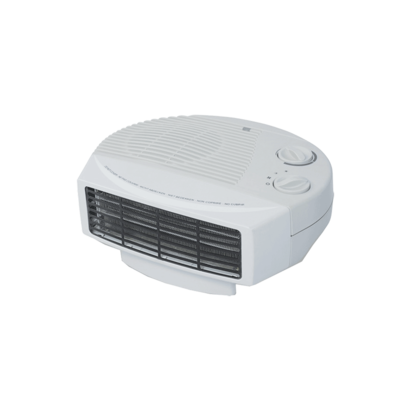
Most fan heaters include an adjustable thermostat that cycles the heating element on and off to maintain a set target temperature. Once the room reaches the desired level, the heater reduces output or switches to fan-only mode, preventing energy waste and maintaining a consistent comfort level without manual intervention.
Many models offer a fan-only setting that operates the motor without activating the heating element. This allows the unit to function as an air circulator in warmer months, extending its practical utility beyond the heating season and improving its cost-per-use value.
Fan heaters are typically lightweight — most domestic models weigh between 1.2 kg and 3.5 kg — and come with carry handles for easy relocation. This portability makes them an efficient alternative to central heating in situations where only one room needs warming, avoiding the energy cost of heating an entire home.
Modern fan heaters incorporate multiple safety mechanisms: tip-over protection (automatic shut-off if the unit is knocked over), overheat protection (thermal cut-out if the element exceeds safe temperatures), and cool-touch housings that remain safe to touch even during operation — making them suitable for homes with children and pets.
| Heater Type | Heat-Up Speed | Portability | Best Use Case |
|---|---|---|---|
| Fan heater | Very fast (minutes) | High | Quick room heating, spot use |
| Oil-filled radiator | Slow (20–30 min) | Moderate | Sustained overnight heating |
| Panel heater | Moderate | Low (wall-mounted) | Permanent room installation |
| Infrared heater | Instant (direct radiation) | Moderate | Outdoor or drafty areas |
Fan heaters perform best in specific environments and use cases:

@2020. CIXI XIATIAN ELECTRICAL APPLIANCES CO.,LTD. All rights reserved. Wholesale High-End Electric Fans Manufacturers

 English
 한국어
한국어