

An air purifier can solve a range of indoor air problems, including removing airborne allergens, pet dander, dust, smoke particles, mold spores, and unpleasant odors that regular ventilation and cleaning cannot fully eliminate. It works by pulling room air through a series of filters that trap particles of different sizes, then releasing cleaner air back into the space. According to the U.S. Environmental Protection Agency, indoor air can be two to five times more polluted than outdoor air in some homes, which is why many households turn to an Air Purifier to address specific, persistent air quality issues rather than relying on windows and general cleaning alone. The sections below explain exactly which problems an air purifier addresses and how effectively it does so.
Content
Common household allergens such as pollen, dust mite debris, and mold spores are small enough to stay suspended in the air for extended periods, which means they are inhaled repeatedly even when a room looks clean. A true HEPA filter is capable of capturing 99.97 percent of particles as small as 0.3 microns, a performance standard defined by the U.S. Department of Energy, which covers most common allergen particles.
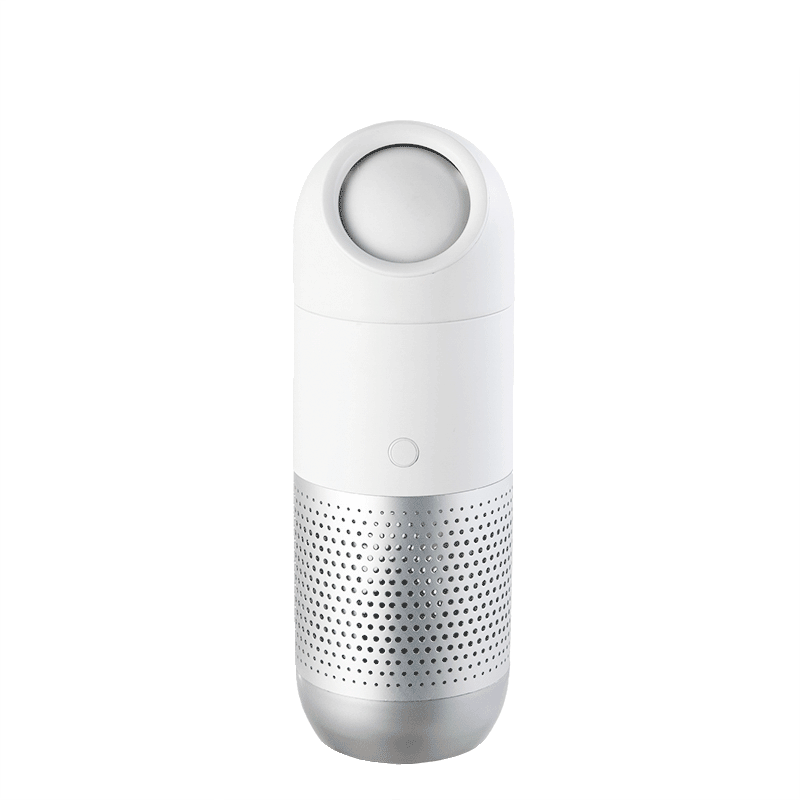
Pet owners often notice more dust and a persistent pet smell in rooms where animals spend the most time, since pet dander is extremely light and stays airborne longer than most household dust. A dedicated pre-filter on an air purifier captures larger particles like hair before they clog the main filter, while the HEPA stage handles the microscopic dander flakes that trigger allergic reactions in sensitive individuals.
Pet dander particles typically range from 5 to 10 microns in size, small enough to remain suspended in the air for hours after settling begins, based on measurements referenced in indoor air quality studies. Vacuuming and dusting only address dander that has already settled on surfaces, which is why continuous air filtration is often needed alongside regular cleaning.
Smoke from cooking, fireplaces, tobacco, or nearby wildfires introduces extremely fine particles into indoor air, often classified as PM2.5, meaning particles 2.5 microns or smaller in diameter. These particles are small enough to penetrate deep into the lungs, and the World Health Organization has identified PM2.5 exposure as a significant contributor to respiratory health concerns. A HEPA filter combined with an activated carbon layer addresses both the particulate matter and some of the associated odor from smoke sources.
Odors are caused by volatile organic compounds and gas molecules that standard particle filters cannot capture, which is why activated carbon filters are added to many air purifiers specifically for odor control. Carbon works through a process called adsorption, where odor molecules bind to the surface of the carbon material as air passes through it.
| Odor Source | Typical Cause |
| Cooking Smells | Grease particles and food compounds in the air |
| Pet Odors | Dander, fur, and waste related compounds |
| Musty Smells | Mold or mildew growth in damp areas |
| Chemical Smells | Cleaning products or new furniture off gassing |
Households often notice that dust reappears on furniture and shelves within days of cleaning, which happens because settled dust is continuously stirred back into the air by foot traffic, HVAC systems, and normal movement. Running an air purifier continuously helps intercept this dust before it resettles, which many users report reduces how often surfaces need to be wiped down.
Bathrooms, basements, and poorly ventilated rooms are common areas where mold spores accumulate in the air, particularly in climates with higher humidity. Mold spores range widely in size but many fall within the range captured by HEPA filtration, and combining an air purifier with proper humidity control, generally keeping indoor humidity below 50 percent as recommended by the EPA, helps limit both airborne spores and the conditions that allow mold to grow in the first place.
Poor air quality in a bedroom, including dust, allergens, and stuffy air, can contribute to nighttime congestion and restless sleep for some individuals. Running an air purifier in the bedroom overnight reduces the concentration of these irritants, and many units include a quiet or sleep mode designed to operate below 30 decibels, comparable to a whisper, so filtration continues without disrupting rest.
New furniture, paint, flooring, and cleaning products can release volatile organic compounds, commonly referred to as VOCs, into indoor air for weeks or months after installation or use. These compounds are associated with headaches and eye or throat irritation in sensitive individuals, according to indoor air quality research published by the EPA. Activated carbon filtration helps reduce VOC concentration, though proper ventilation during and after using strong chemical products remains an important complementary step.
While air purifiers address many airborne particle and odor problems, they are not a substitute for addressing the root cause of certain issues. A unit will not fix an active mold colony growing on a damp wall, will not remove settled dust or stains from surfaces, and cannot replace proper ventilation in spaces with high carbon dioxide buildup. Understanding these limitations helps set realistic expectations for what filtration can and cannot achieve.
Different air quality problems call for different filter combinations, so identifying the primary concern in a space helps in choosing the right equipment. A room affected mostly by pet dander and dust benefits most from strong HEPA filtration, while a kitchen or smoking area benefits more from a unit with a substantial activated carbon layer for odor control. Selecting an Air Purifier with the appropriate filter stages for the specific problem in a given room leads to noticeably better results than choosing a unit based on price or size alone.

@2020. CIXI XIATIAN ELECTRICAL APPLIANCES CO.,LTD. All rights reserved. Wholesale High-End Electric Fans Manufacturers

 English
 한국어
한국어